

For a few uneasy moments, the internet’s most trusted habit broke.

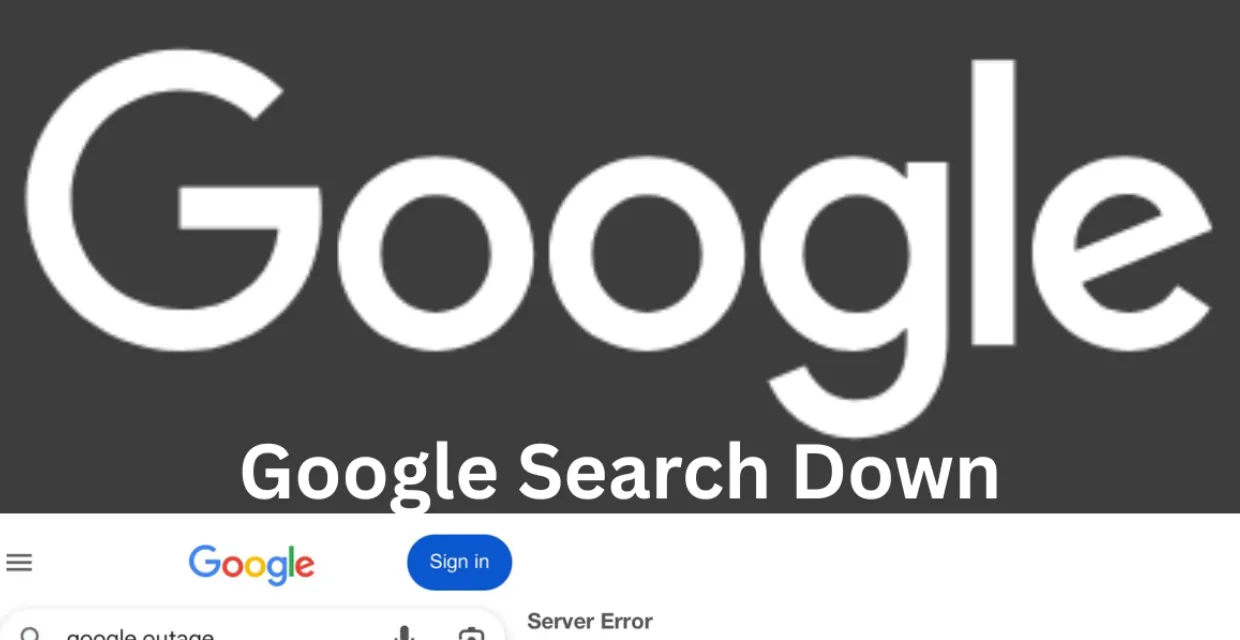
Millions of users opened Google expecting instant answers, only to meet a cold, confusing message: “Server Error.” In a world where one search can start a workday, settle a debate, guide a trip, or save a deadline, even a brief Google server error feels bigger than a tech issue. It feels like the lights flickered in the digital world.
What Happened With the Google Server Error?
On May 12, 2026, users reported problems with Google Search, including blank pages, failed searches, and “500 Internal Server Error” messages. Reports appeared across social platforms as people tried to confirm whether the issue was on their device, their internet connection, or Google itself.
According to outage reports cited by media outlets, the disruption affected thousands of users, with many reports coming from India and parts of the Asia-Pacific region. Some users said one search worked while the next failed, making the issue feel unpredictable and frustrating.
The Error Message That Made People Pause
The reported message said there had been an internal server error while processing the request, and that engineers had been notified. That single line was enough to spark confusion because Google Search is usually treated as invisible infrastructure: always there, always fast, always reliable.
When Google stops responding, people notice immediately.
It is not just a search engine for most users. It is a daily reflex.
Why This Matters Now
The Google server error became a reminder of how deeply modern life depends on a few digital platforms.
Students use Google to finish assignments. Businesses rely on it for research, ads, maps, leads, and customer discovery. Creators track trends through Search. Professionals use it to troubleshoot problems in real time.
So when Google Search slows down or stops, the emotional reaction is instant: panic, frustration, memes, screenshots, and the same question everywhere — “Is Google down?”
Was It a Device Problem or a Google Issue?
In many cases, a server error means the problem is not your phone, laptop, or Wi-Fi. A “500 Internal Server Error” usually points to something going wrong on the server side while processing a request.
That does not always mean a full global outage. It can also be regional, temporary, or inconsistent.
Google’s official Search Status Dashboard is the best place to check confirmed incidents, though at the time of public reporting, some users were seeing errors even as official dashboards did not clearly show a broad incident.
What Users Should Do When Google Shows Server Error
If you see a Google server error, do not panic. First, refresh the page after a few seconds.
If it continues, try another browser or switch from Wi-Fi to mobile data. You can also clear browser cache, restart the device, or check whether other Google services are working.
Google’s own Chrome support guidance recommends checking device settings, network issues, modem or router problems, and firewall or antivirus software when pages fail to load.
Quick Checks You Can Try
Search from another device.
Try incognito mode.
Check Google’s official status pages.
Look for outage reports from trusted sources.
Wait a few minutes before repeatedly refreshing.
The Bigger Lesson Behind One Small Error
The emotional power of this outage was not just about a broken search box.
It was about trust.
Google has become part of the internet’s muscle memory. We do not think before searching. We simply type, ask, compare, learn, and move forward. A server error interrupts that rhythm and reminds us that even the strongest digital systems are still systems.
They can slow down. They can fail. They can surprise us.
Strong Takeaway
The Google server error may have been brief, but it carried a big message: the internet feels permanent until it pauses.
For users, it is a reminder to stay calm, verify from official sources, and keep backup ways to access information. For businesses and creators, it is a warning that digital dependence needs resilience.
Because when Google blinks, the whole web looks up.


I am a content creator/ Digital Marketor.