

The next big wearable fight may not happen on a smartwatch screen.
It may happen quietly, on your wrist, while you sleep, walk, stress, recover, and try to feel human again.
That is why Luna Band vs Fitbit Air feels bigger than a simple gadget comparison. It is a glimpse into where wellness tech is heading: less screen time, more body awareness, and a new battle over who gets to interpret your health.

Key Takeaways
- Fitbit Air is Google’s screenless, lightweight Fitbit tracker focused on affordable 24/7 health monitoring.
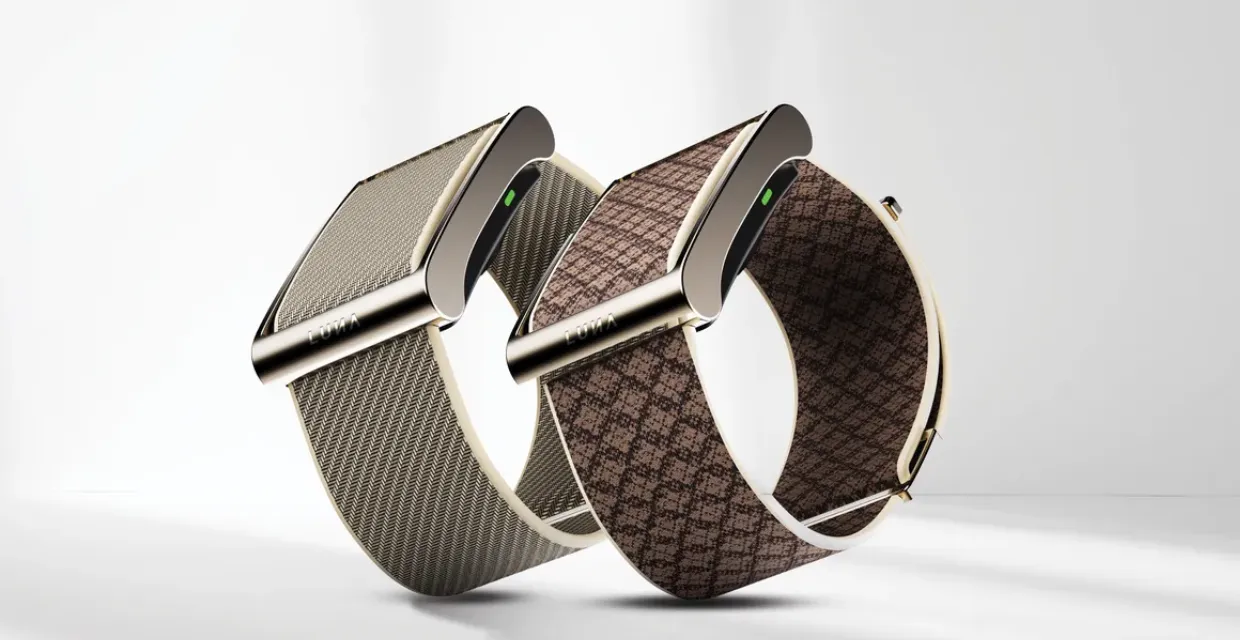
- Luna Band is positioning itself as an AI-first, subscription-free wellness band with voice-led coaching.
- Fitbit Air has the advantage of brand trust, Google integration, and clearer availability.
- Luna Band feels more experimental, but potentially more personal and emotionally intelligent.
- The winner depends on whether you value proven simplicity or bold AI-powered guidance.
Why Screenless Fitness Trackers Suddenly Feel Personal
For years, wearables shouted at us.
Close your rings. Stand up. Hit your steps. Check your score. Swipe again. Charge again. Compare again.
Now, the most interesting trend in fitness trackers is silence.
Google introduced Fitbit Air as its smallest and most affordable tracker, built for comfortable 24/7 monitoring without a display. It tracks heart rate, sleep, SpO2, resting heart rate, HRV, sleep stages, and more through the Google Health app.
That matters because people are tired. Not tired of health, but tired of being managed by screens.
Luna Band vs Fitbit Air: The Real Difference
At first glance, both devices seem to chase the same idea: a screenless fitness tracker that fades into your life instead of interrupting it.
But emotionally, they make very different promises.
Fitbit Air Feels Like Trust
Fitbit Air is the safer choice on paper.
It starts at $99.99, includes a three-month Google Health Premium trial, and offers up to a week of battery life. Google says it also supports fast charging, with a full day of power from five minutes of charging.
Its biggest strength is familiarity.
Many people already understand Fitbit. They know the app, the sleep tracking, the gentle nudges, and the everyday usefulness. Fitbit Air takes that trust and removes the screen.
It is not trying to be flashy. It is trying to be wearable enough that you actually keep it on.
Luna Band Feels Like a Bet on the Future
Luna Band is more daring.
Public coverage from CES 2026 describes it as a screen-free fitness band from Luna, the brand behind Luna Ring, with no monthly subscription charge and coaching included in the device’s upfront cost.
Its most intriguing feature is voice-led guidance.
Instead of constantly digging through dashboards, Luna wants users to log meals, symptoms, and health questions through voice commands, with integrations through Siri and other assistants.
That makes Luna Band feel less like a tracker and more like a companion.
Quick Comparison: Luna Band vs Fitbit Air
| Feature | Luna Band | Fitbit Air |
|---|---|---|
| Design | Screen-free wrist band | Screenless lightweight tracker |
| Main appeal | AI coaching, voice guidance, no subscription | Fitbit trust, Google Health app, affordability |
| Battery | Not fully confirmed publicly | Up to one week |
| Price | Not confirmed publicly | Starts at $99.99 |
| Subscription | Positioned as no monthly fee | Includes 3-month Google Health Premium trial |
| Best for | Early adopters wanting AI wellness guidance | Everyday users wanting simple health tracking |
Why This Matters Now
The timing is important.
Fitbit Air is Google’s first major new adult Fitbit tracker in years, with reporting noting the brand’s return after the Fitbit Charge 6 era.
That makes it more than a product launch. It is Google re-entering the lightweight fitness band conversation at a moment when Whoop, Oura, smart rings, and AI health apps are shaping consumer expectations.
Meanwhile, Luna Band arrives with a different kind of cultural energy: people want deeper insights, but they are also frustrated by monthly fees and complicated dashboards.
The emotional question is simple:
Do you want a tracker that quietly records your body, or one that tries to talk you through your life?
Which One Should You Choose?
Choose Fitbit Air if you want reliability, affordability, and a familiar health ecosystem.
It is especially appealing if you already use Fitbit, Pixel Watch, Android, or Google services. It also makes sense if your priority is sleep tracking, heart rate, everyday activity, and fewer distractions.
Choose Luna Band if you are excited by AI coaching and the idea of a wearable that interprets your patterns more conversationally.
But there is a catch: Luna Band still needs to prove its accuracy, comfort, pricing, and real-world usefulness. Even positive early coverage notes that release date and price details were not yet confirmed.
The Strong Takeaway
The Luna Band vs Fitbit Air debate is not really about specs.
It is about trust.
Fitbit Air says, “Let me track your health quietly.”
Luna Band says, “Let me help you understand yourself.”
One feels safe. The other feels ambitious.
And maybe that is why this new generation of screenless wearables feels so timely. We do not need another screen demanding our attention. We need technology that helps us listen more closely to the body we already live in.

