

The End of the Paper Dream
I remember the distinct crinkle of a paper map. The smell of pulp. The frustration of folding it back up on a windy street corner.

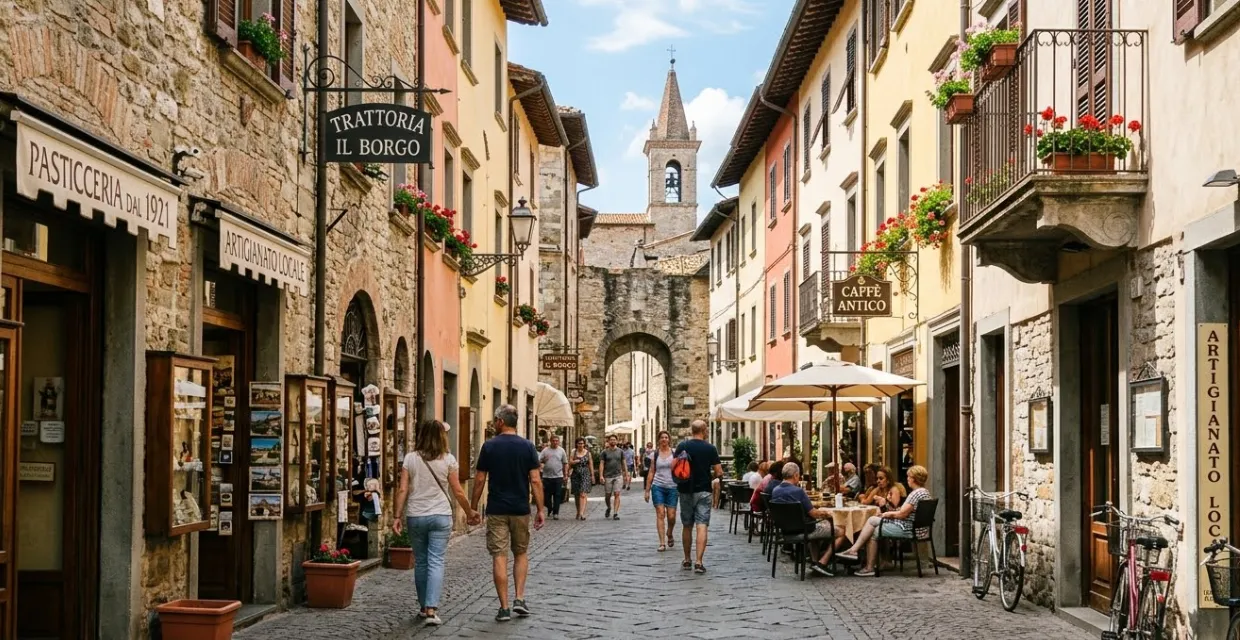
That ritual is all but dead. Today, our world is mediated by glowing blue dots and satellite overlays. We have accepted the algorithm as our guide. But is the digital map truly the final frontier, or are we on the cusp of a revolution that changes not just the route, but the meaning of the journey?
Why This Matters Now
We aren’t just looking for directions anymore. We are looking for experience. Generic maps that simply show a blue line from A to B are failing us.
As Google experiments with new ways to customize feeds, the technology behind what we see is learning to read our intent . The future of navigation isn’t just about “where”; it’s about “who” you are and “what” you need to feel.
The Shift from Data to Storytelling
We are moving away from data-driven routes toward emotionally intelligent guidance.
Imagine a map that doesn’t just show you traffic, but shows you the café where your favorite author wrote their novel, or suggests a detour because it knows you need a moment of calm before a big meeting.
This is “Experience Forecasting.” It’s the idea that the best path is the one you can feel before you take it.
The AI Navigator
With the rise of AI Overviews and generative search, the way we consume location data is changing.
A sentence like “The sun glints off the water as you approach the coastal road” is more powerful than “Turn left in 500 meters.” It paints a picture. It hooks our emotions and makes the information stick.
Trust in a Digital World
But with this emotional connection comes a need for authority. For a map to inspire trust, it must be accurate.
This is where EEAT (Experience, Expertise, Authoritativeness, Trustworthiness) applies to our tools. We don’t just want a route; we want a route crafted by someone who has been there, who understands the terrain, and who we can trust to not lead us astray. The “who” behind the map matters just as much as the “where.”
The Map of Tomorrow
The physical map is dead. Long live the map.
The map of tomorrow is dynamic. It is a conversation. It understands your goals, your dietary restrictions (when searching for food), or your need for “calm” versus “adventure.”
As Google’s “Tailor your feed” experiment shows, we are entering an era where we can simply tell our technology what we want:
“I want to see more hidden gems and less tourist traps.”
This isn’t just about navigation anymore. It is about curation. It is about creating a reality that aligns with our current vibes.
The Final Destination
We are the architects of our own journeys now. The map is no longer a dictator of routes; it is a collaborator in discovery.
As we step into this new world, ask yourself: Are you just following the line on the screen, or are you opening yourself up to the unexpected detour that changes everything? The map is ready to listen, if you are ready to speak.


I am a content creator/ Digital Marketor.