

Rec Room is no longer just a game. It has become a living, messy, creative corner of the internet where people build, play, and sometimes stay far longer than they planned. In 2026, that blend of fun, freedom, and nostalgia is exactly why it still gets attention.

The pull of Rec Room
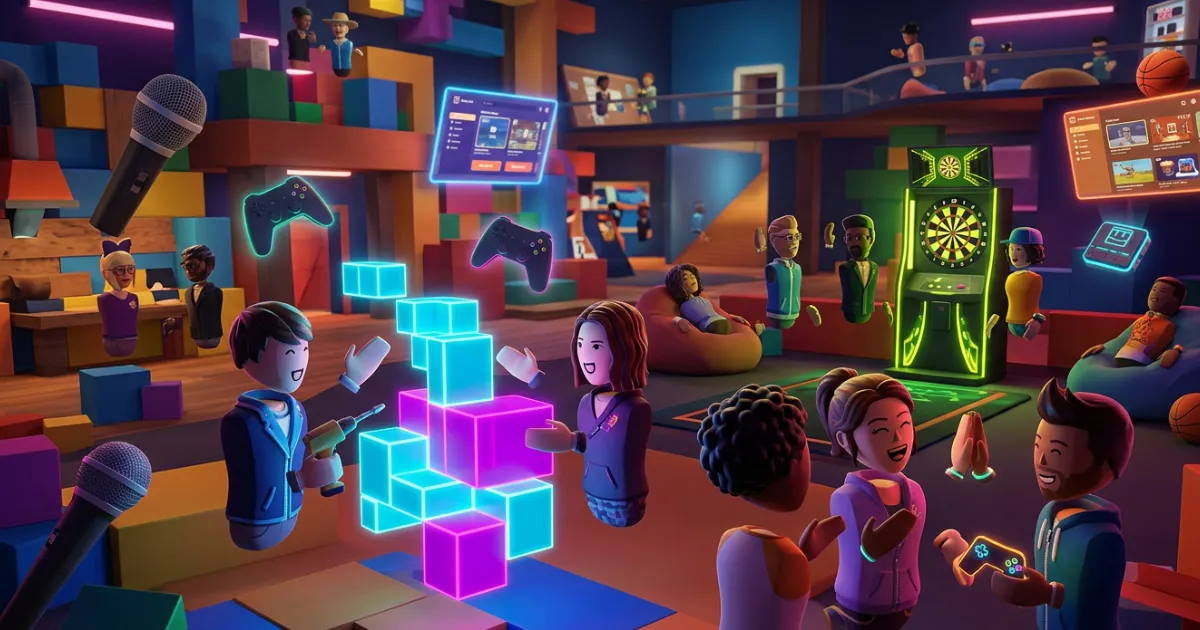
At its best, Rec Room feels like a digital playground with no fixed ending. Players can jump into millions of user-created rooms, chat with friends, and build their own experiences from scratch. That scale is part of its appeal, but the real hook is emotional: it gives people a place to create something that feels shared.
For many users, that matters more than graphics or polish. Rec Room survives because it keeps offering a simple promise: come in, make something, and have people experience it with you.
Why it still works
The strongest part of Rec Room is its community-driven design. Custom rooms keep the world fresh, and that constant stream of player-made content gives the platform a sense of motion that many older social games lose over time.
That said, the conversation around Rec Room in 2026 is mixed. Some longtime players feel the platform has drifted from its original charm, while others still see it as one of the most active and consistently updated social VR spaces.
What changed
The tension is easy to understand. Social VR is growing up, and players expect more than novelty. They want smoother menus, better discovery, stronger moderation, and reasons to return beyond habit. Rec Room still has a large player-made universe, but the experience now has to compete with changing expectations.
Steam charts show the game continuing to draw players in 2026, with average monthly counts staying active rather than disappearing. That suggests Rec Room is still relevant, even if the mood around it is more complicated than before.
Why this matters now
Rec Room represents a bigger story about online life in 2026. People still want spaces that feel social, creative, and personal, not just transactional. The platforms that survive are often the ones that let users build identity inside the world, not just consume content inside it.
That is why Rec Room still matters. It may frustrate veterans, but it also reminds us that community can still beat perfection when a platform gives people room to make memories.
The bigger takeaway
Rec Room’s future will depend on whether it can protect its creative soul while adapting to a more demanding audience. If it can do both, it may stay more than a trend — it may remain one of the clearest examples of what social VR can still become.


I am a content creator/ Digital Marketor.