

A laptop used to wait for you.
Googlebook wants to think with you.

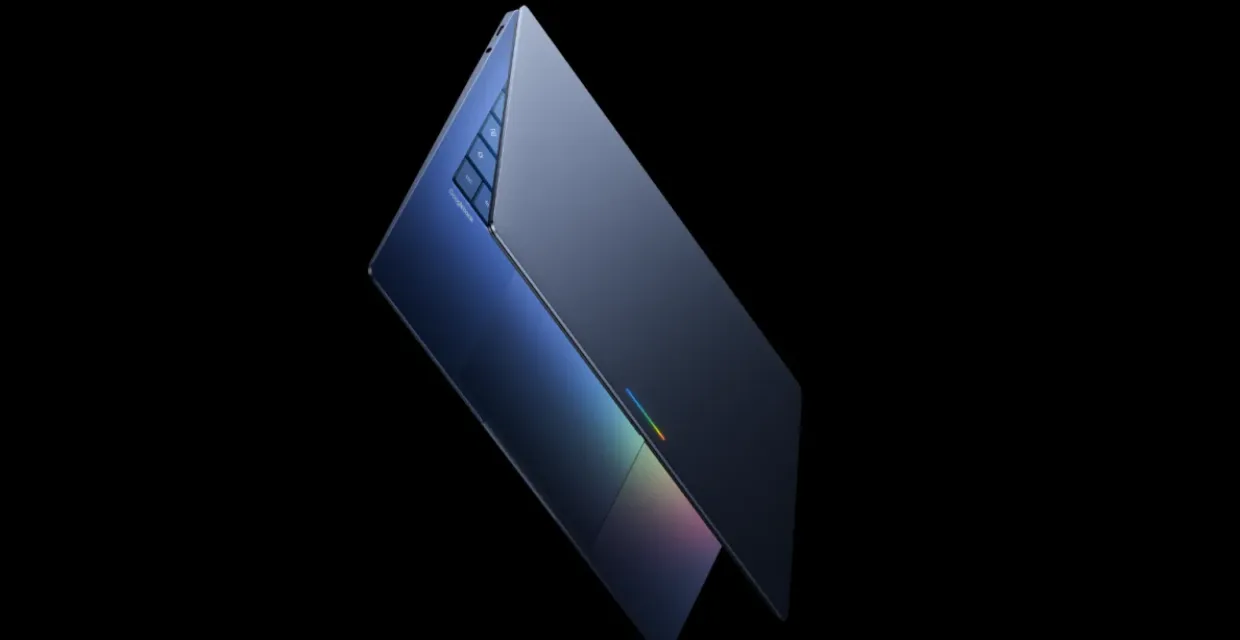
That is the emotional shift behind Google’s new Googlebook Gemini Intelligence laptops — a fresh category of AI-powered computers built not just to run apps, but to understand what you are trying to do next.
Google introduced Googlebook on May 12, 2026, describing it as a new laptop category built around Gemini Intelligence, premium hardware, Android integration, and the Chrome experience.
The Laptop Is No Longer Just a Machine
For years, laptops have felt familiar: keyboard, trackpad, browser, files, tabs, deadlines.
Useful? Absolutely.
Personal? Not always.
Googlebook appears designed for the moment when computing becomes less about opening tools and more about getting help in real time. Google says these laptops are built “from the ground up” for Gemini Intelligence, aiming to provide personal and proactive help when users need it.
That sounds like a small change. It is not.
It means the laptop may stop being a passive screen and start acting more like a thinking workspace.
Meet Magic Pointer: The Cursor Gets a Brain
Why one tiny movement could matter
The most fascinating feature is Magic Pointer.
Google says the feature brings Gemini’s assistance directly to the cursor. When you point at something on the screen, Gemini can offer contextual suggestions, such as helping set up a meeting from a date in an email or visualizing two selected images together.
That matters because the cursor is where intent begins.
Before you type, before you search, before you open another tab, you point. Googlebook is betting that this tiny human action can become the beginning of an AI-powered workflow.
For students, it could mean turning messy notes into a study plan.
For creators, it could mean moving faster from idea to draft.
For busy professionals, it could mean fewer lost minutes between apps.
Gemini Intelligence Moves Onto the Desktop
Googlebook is also expected to introduce Create your Widget, a feature that lets users prompt Gemini to build custom desktop widgets. Google says Gemini can search the web or connect with Google apps like Gmail and Calendar to create a personalized dashboard.
That is where the story becomes more human.
Imagine a parent planning a trip, a freelancer juggling invoices, or a student managing exams. Instead of digging through emails, dates, files, and browser tabs, the laptop could pull the pieces into one place.
The promise is not just speed.
It is relief.
Android and Laptop Finally Feel Closer
The phone-to-laptop gap may shrink
Googlebook also leans heavily into the Android ecosystem.
Google says the devices are built on part of the Android tech stack and are designed to work smoothly when switching between phone and laptop. Quick Access will let users view, search, or insert phone files from the Googlebook file browser without manual transfers.
This is important because most people do not live on one device anymore.
Your photo is on your phone.
Your email is on your laptop.
Your reminder is in an app.
Your focus is somewhere in between.
Googlebook’s biggest emotional appeal may be simple: fewer interruptions.
Why This Matters Now
AI laptops are no longer a distant idea. They are becoming the next battlefield.
Microsoft has Copilot PCs. Apple is pushing Apple Intelligence across its ecosystem. Google now appears ready to make Gemini the center of a new laptop identity.
What makes Googlebook interesting is that it is not being framed as just another Chromebook refresh. Google says the first Googlebooks will come from partners including Acer, ASUS, Dell, HP, and Lenovo, with devices expected to become available this fall.
That timing matters.
Consumers are asking a bigger question in 2026: Why should I buy a new laptop?
A sharper screen is nice.
A faster chip helps.
But an assistant that understands your screen, your apps, and your day? That feels like a reason to pay attention.
The Trust Question Google Must Answer
There is one challenge Google cannot ignore: trust.
An AI laptop that connects deeply with your apps, files, emails, and calendar must feel helpful without feeling invasive. The magic will only work if users feel in control.
Google says Gemini-powered widgets can connect to Google apps like Gmail and Calendar, but the long-term success of Googlebook will depend on clear permissions, visible controls, and honest privacy choices.
The future of AI computing will not be won by the smartest assistant alone.
It will be won by the assistant people feel safe inviting into their lives.
The Takeaway
Googlebook Gemini Intelligence laptops are more than a product tease. They are a signal.
The laptop is being reimagined from a tool you operate into a companion that notices, suggests, organizes, and helps you finish.
That future may feel exciting. It may feel uncomfortable. It may even feel inevitable.
But one thing is clear: the next generation of laptops will not simply ask what you want to open.
They will ask what you are trying to become.

