

If Tomodachi Life: Living the Dream has quietly become your comfort game on Switch, the latest patches might feel like Nintendo is secretly tuning your favorite sitcom. On paper, the patch notes look vague and minimal, but for players living day-to-day with their Miis, these updates can completely change the island’s mood.

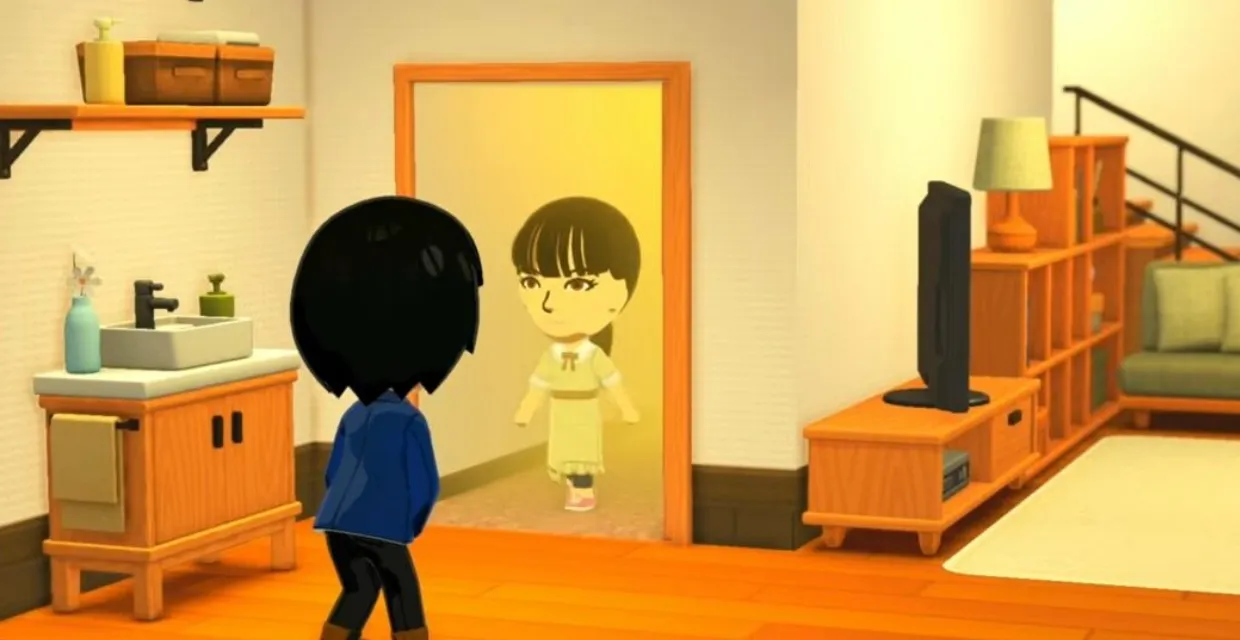
In a world of massive live-service games, a quirky life sim getting multiple updates in 2026 feels surprisingly personal—almost like Nintendo’s checking in on your digital friendships. Let’s unpack what these “several issues addressed” patch notes really mean for your stories, screenshots, and late-night sessions.
What the Latest Patch Notes Actually Say
Nintendo has rolled out at least two notable updates for Tomodachi Life: Living the Dream in spring 2026, including Version 1.0.1 for the main game and Version 1.0.2 for the demo “Welcome Version.” Officially, both patches focus on fixing “several issues” to improve overall gameplay and stability.
The language in the patch notes is deliberately broad, with Nintendo emphasizing bug fixes and quality-of-life improvements without naming specific systems. Even the demo’s patch description highlights that certain issues were “fixed” to refine the experience, which is rare attention for a trial build.
Version 1.0.1 – Quiet but Important
-
Brings the main game to Version 1.0.1.
-
Officially addresses “several issues” impacting gameplay.
-
Aims to deliver a smoother, more reliable island life overall.
Even if you never noticed any glaring bugs, this kind of maintenance update usually targets edge cases—save quirks, rare crashes, or odd behavior in events and interactions.
Version 1.0.2 – A Patch… for the Demo
-
Updates the “Welcome Version” demo to Version 1.0.2.
-
Focuses again on fixing issues and polishing the newcomer experience.
-
Signals that Nintendo is still actively watching player feedback, even for non-full versions.
Seeing a demo patched twice is unusual and shows how seriously Nintendo treats early impressions of this social sim.
How These Patches Change Your Island Experience
Patch notes that only say “several issues have been addressed” might feel vague, but for a relationship-driven game, stability is everything. A single crash during a confession scene or a bugged mini-event can break immersion in a game built on emotional moments.
By tightening up these invisible screws, the patches help your island feel more believable—conversations flow without glitches, routines feel smoother, and rare bugs are less likely to interrupt your stories. For players sharing screenshots and clips on social media, that reliability matters when every moment could be a viral meme or a nostalgic memory.
Subtle but Emotional Impacts
-
Fewer interruptions during key emotional scenes, like proposals or arguments.
-
More consistent behavior from Miis, making their personalities feel intentional rather than buggy.
-
A safer space for long-term saves, especially for players who pour hundreds of hours into their islands.
You might not see a flashy “new feature” banner—but you’ll feel the difference during long play sessions.
Why Nintendo’s Patch Strategy Matters Now
Google Discover and the broader gaming conversation in 2026 reward games that feel alive, updated, and culturally relevant. By continuing to patch Tomodachi Life: Living the Dream, Nintendo signals that this isn’t just a nostalgic revival—it’s a living product tuned for today’s players.
In an era dominated by social feeds and share buttons, a polished, bug-light experience makes it easier for players to clip their favorite moments, post them, and pull new fans into the ecosystem. That feedback loop—patch, share, react—is exactly how a cozy life sim becomes a trending topic instead of just a quiet release.
The Bigger Picture for Life Sims
-
Regular updates help games surface more in recommendation systems like Discover.
-
Small but steady patches build trust with players who value stability over chaos.
-
Quiet maintenance can extend a game’s lifespan without needing massive DLC drops.
In other words, these patch notes are less about “new content” and more about ensuring your emotional investment in the island feels respected.
Why This Matters to You, Right Now
If you’ve been on the fence about diving back into your island—or starting fresh—the recent patch cycle makes 2026 one of the safest, smoothest times to play Tomodachi Life: Living the Dream. You’re not just revisiting a quirky 3DS-era concept; you’re stepping into a version actively polished for modern hardware and expectations.
For returning players, this is the perfect moment to check whether old annoyances still exist; for newcomers, the patched demo offers a cleaner first impression that reflects the game’s true charm. Either way, the island you remember—or imagine—is more stable, more shareable, and more “living” than ever.
Living the Dream, One Patch at a Time
Understated patch notes can feel disappointing if you’re craving huge feature drops, but in a game about tiny human moments, invisible fixes often matter most. Every crash prevented and every odd glitch smoothed out protects the fragile magic of watching your Miis fall in love, argue, perform, and occasionally surprise you.
If Tomodachi Life: Living the Dream is where you escape, laugh, or quietly project your own story onto a digital island, these updates are a quiet promise: your world is worth maintaining. And in 2026, when so many games chase the next big headline, there’s something deeply comforting about a patch that simply lets you keep—well—living the dream.


I am a content creator/ Digital Marketor.