

For years, buying hot gaming hardware has felt less like shopping and more like surviving a digital stampede.
One refresh. One payment error. One bot faster than you—and the console, handheld, GPU, or controller you wanted is suddenly on eBay for double the price.

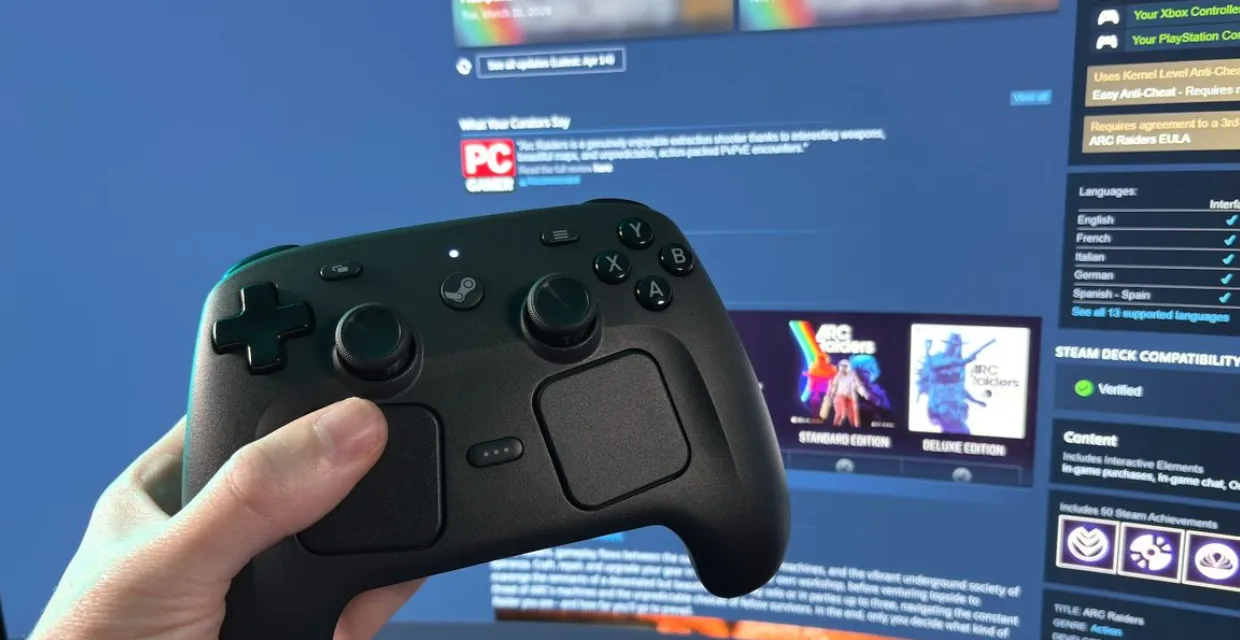
Now, Valve may be preparing a different kind of launch for the next Steam Machine: a queue system that gives real players a fighting chance.
Why Valve’s Queue System Is Suddenly a Big Deal
The phrase “Valve Steam Machine queue system” is gaining attention because recent reports suggest Valve could use a reservation-style buying process for its upcoming Steam Machine hardware.
That matters because Valve just used a reservation queue for the new Steam Controller after demand overwhelmed supply and scalpers quickly moved in. The system lets eligible Steam users reserve a spot, then complete the purchase later when inventory becomes available. Buyers reportedly get a limited window—72 hours—to finish the order once notified.
It is not just a checkout change. It is a trust signal.
Valve appears to understand what gamers have been shouting for years: launch-day chaos rewards bots, not fans.
The Pain Gamers Know Too Well
Anyone who tried to buy a PlayStation 5, a graphics card, a Steam Deck at launch, or limited-edition PC hardware knows the feeling.
You wait weeks. You save money. You open the store page the second it goes live.
Then the page freezes.
The cart crashes.
The item sells out.
Minutes later, listings appear from resellers asking for absurd markups.
That emotional frustration is exactly why the Steam Machine reservation queue feels important. It does not guarantee everyone gets one immediately, but it turns a frantic click race into a more orderly line.
For a product like the Steam Machine, that could be huge.
What We Know So Far
Reports based on Steam database findings suggest Valve may already have reservation queue references connected to the Steam Machine. Some coverage also points to multiple Steam Machine packages, possibly tied to different configurations or bundles.
That does not mean every detail is confirmed. Valve has not publicly finalized all launch information, including exact pricing, availability dates, and the full model lineup.
But the pattern is hard to ignore.
Valve has already used queues before with Steam Deck reservations, then responded to Steam Controller demand with another reservation system. If the Steam Machine is expected to attract serious interest, launching it with a queue would be the logical next step.
A Fairer Launch, Not a Perfect One
A queue system does not magically create more hardware.
Some buyers will still wait. Some regions may get stock later than others. Some people may miss their email window.
But compared with the old system—where bots and resellers could destroy a launch in minutes—it feels more human.
The best part is psychological: players know they have a place in line.
That small piece of certainty can change the entire buying experience.
Why This Matters Now
The timing could not be more important.
PC gaming is no longer limited to desks and giant towers. The Steam Deck changed how people think about portable PC gaming. The Steam Machine could do something similar for living-room PC gaming if Valve gets the price, performance, and software experience right.
But hardware launches are fragile.
A great product can still create a bad first impression if genuine fans cannot buy it.
That is why the Valve Steam Machine queue system is not just a technical detail. It could become part of the product’s identity.
Is this a box for real Steam users—or another trophy for scalpers?
Valve seems to know the answer matters.
What Buyers Should Watch Next
The biggest questions are still open.
Will Valve officially confirm the Steam Machine queue system before launch? Will reservations require an older Steam account or previous purchase history, like the Steam Controller system? Will there be limits of one unit per account? Will different models have separate queues?
Those details will decide how effective the system really is.
If Valve uses account history, purchase eligibility, regional rollouts, and time-limited purchase windows, it could slow down resellers and help loyal Steam users get priority access.
That would not just be good business. It would feel like respect.
The Bigger Story: Trust Is the New Launch Feature
Gamers do not just want powerful hardware anymore.
They want fairness.
They want transparency.
They want to believe that when a company announces something exciting, they have a real chance to buy it without battling scripts, bots, and resale sharks.
Valve’s possible Steam Machine queue system taps directly into that emotion.
It says the launch itself matters. The people waiting matter. The community matters.
And in a gaming world where hype often turns into frustration, that might be the most powerful feature of all.
The Steam Machine still has to prove itself. Price, performance, and availability will decide its future.
But if Valve gets the queue right, the first victory may happen before anyone even plugs the machine in: giving players hope that this time, the line might finally be fair.


I am a content creator/ Digital Marketor.