India’s Semiconductor Journey
India imports nearly all its semiconductors, spending billions annually on chips for electronics, autos, and telecom. The India Semiconductor Mission (ISM), launched in 2021, offers fiscal incentives like 50% capital support for fabs and assembly units to kickstart manufacturing.
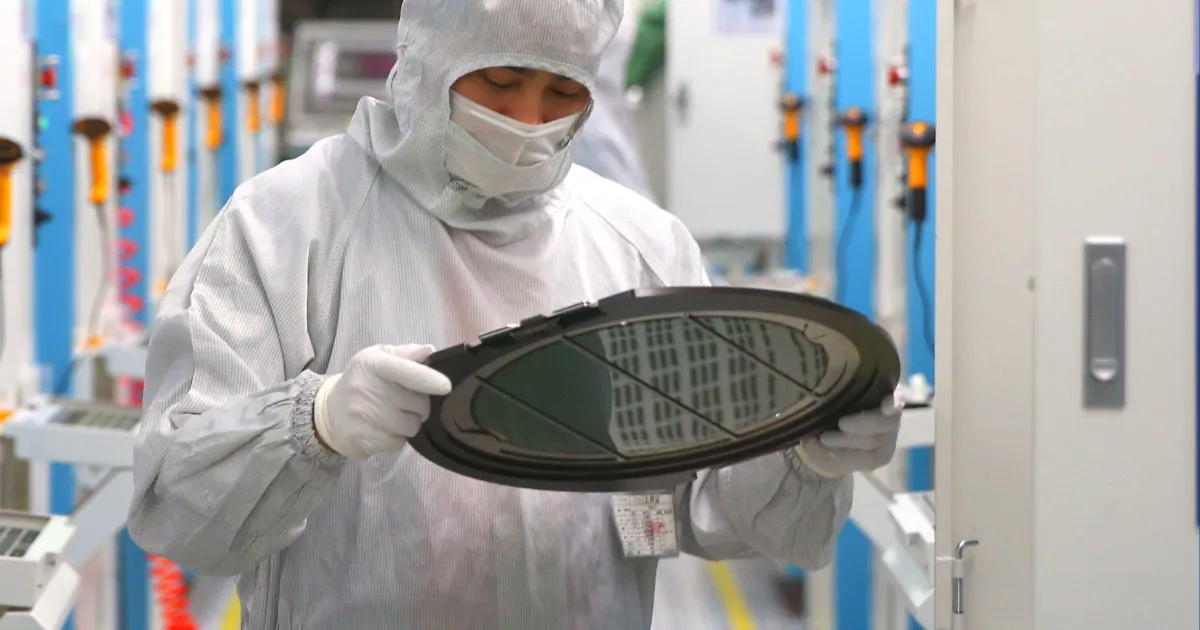
Government approvals have cleared 10 projects worth over INR 1.6 lakh crore ($18 billion), including two fabs and multiple packaging facilities. Four plants gear up for commercial production in 2026, led by Tata Electronics and partners like Powerchip from Taiwan.
India ranks third globally in chip design research papers from 2018-2023, with over 500,000 professionals in design roles for firms like Qualcomm and Intel. This talent pool positions India strongly in the value chain’s front end.
Global Leaders vs India
Taiwan dominates advanced nodes via TSMC, South Korea excels in memory with Samsung, and China invests massively despite restrictions. India starts from behind but leverages design expertise and policy push.
| Feature | Description | Benefit | Example |
|---|---|---|---|
| Market Size | India’s semiconductor market at USD 12.41 billion in 2026, growing to USD 17.42 billion by 2031 (7.02% CAGR). | Fuels domestic demand for EVs, 5G, AI. | Consumer electronics demand surges 15% yearly. |
| Fab Investments | Tata-Powerchip fab in Gujarat; Micron ATMP in Gujarat. | Cuts import costs; creates 50,000+ jobs. | $11 billion Tata project produces auto chips. |
| Design Strength | 19% of global chip design talent in India. | Attracts R&D from AMD, Intel. | 40+ startups like SION, MosChip innovate in RISC-V. |
| Incentives | 50% project cost support, SGST exemptions up to 10 years. | Lowers entry barriers for global players. | Kaynes Semicon’s first govt-backed plant operational. |
| Global Share Goal | Top 4 by 2032, leader by 2035 per Minister Vaishnaw. | Boosts exports, tech sovereignty. | Domestic chips for 70-75% needs by 2029. |
This table highlights India’s edge in talent and policy against leaders’ scale advantages.
Key Statistics
India’s semiconductor market grows rapidly amid global trends.
Market valued at USD 34.51 billion in 2023, projected to hit USD 105.34 billion by 2033 (20.7% CAGR).
Internal demand to claim 10% of global consumption in next five years.
USD 59.8 billion in 2025, reaching USD 177 billion by 2034 (12.18% CAGR).
Over 430 crore rupees in VC funding for supported startups.
Internet penetration up 50% in last decade, driving chip demand in smart devices.
22 projects approved worth Rs 41,863 crore under ECMS scheme.
These figures show sustained growth from EVs (power chips), 5G, and AI applications.
Government Initiatives
The ISM 2.0 extends support to packaging, equipment, and chemicals. PLI schemes cover design-linked incentives up to 50% of expenses and 4-6% on sales.
States like Gujarat and Tamil Nadu offer land and power subsidies. Budget 2026 eyes sharper execution focus, including domestic sourcing for TVs and ACs.
Partnerships thrive: Taiwan’s PSMC with Tata, South Korea’s Samsung expanding. These build ecosystem confidence.
Major Players and Projects
Tata Electronics leads with fabs in Dholera (Gujarat) and Hosur (Tamil Nadu). Micron’s $2.75 billion ATMP plant starts output soon.
Other key firms:
Kaynes Semicon: First operational plant since 2023.
Sahasra Semiconductors, SCL (govt lab).
Startups: 40+ like XtremeSilica, Green Semiconductors in SoC, AI chips.
Over 100 design companies get EDA tools and fab access.
Pros and Cons
India’s chip ambitions balance strengths with hurdles.
Pros
Vast engineering talent: 19% global share in design.
Strong policies: INR 2.3 lakh crore incentives.
Growing demand: EVs, renewables need power chips.
Strategic location: Diversifies supply from China risks.
VC influx: 430 crore for startups.
Cons
No advanced fabs yet: Lags in 7nm/5nm nodes.
Infrastructure gaps: Power, water, clean rooms.
High costs: $5-20 billion per fab.
Talent shortage in fab ops, not just design.
Supply chain weak: Relies on imports for materials.
Neutral view: Progress in design and assembly sets foundation, but full manufacturing needs 3-5 years.
Challenges Ahead
Skilled fab workers scarce; training programs ramp up. Raw materials and testing infrastructure lag.
Global competition stiff; yields and scale risks high for new fabs. Geopolitics aids diversification but demands quick execution.
Tips to overcome:
Boost vocational training in process tech.
Develop local suppliers for gases, chemicals.
Ensure steady power via renewables.
Path Forward
Four fabs launch in 2026, targeting auto and telecom chips. By 2029, 70-75% domestic needs met.
R&D focus: Rs 2,000 crore for state-of-art labs. Exports start with Tata’s samples.
India eyes top-4 spot by 2032 via ecosystem build.
Internal linking ideas: Semiconductor startups in India, Tata Electronics projects, ISM incentives guide.
External resources: India Semiconductor Mission site (ism.gov.in), MeitY reports.
Trending FAQs
What is the computer chip industry?
The computer chip industry, or semiconductor sector, designs, manufactures, and packages integrated circuits powering devices from phones to EVs. India focuses on design and emerging fabs.
Can India manufacture advanced chips?
Yes, but starts with mature nodes (28nm+); advanced 5-7nm planned via partnerships. First commercial output in 2026.
How does India’s semiconductor policy work?
ISM offers 50% capex support for fabs/ATMP, design incentives up to 50%, SGST waivers. Targets full ecosystem.
Is India a player in global chip design?
India ranks 3rd in research papers, with 19% global talent; hosts Qualcomm, Intel centers.
What are common challenges in India’s chip industry?
Infrastructure deficits, fab talent shortage, high costs, weak supply chain.
Best tips for semiconductor investors in India?
Target design startups, monitor PLI approvals, focus on EV/5G demand; diversify with Tata, Micron projects.
Beginner mistakes in entering chip sector?
Overlooking infra needs; ignoring mature nodes first; skipping partnerships.
Future trends for India in chips?
Top-4 by 2032; AI/edge chips, SiC for EVs; $100B+ market by 2030.
Which companies lead India’s chip efforts?
Tata Electronics, Micron, Kaynes; startups like MosChip, SION.
Is investment in Indian chips worth it?
Yes, with 15-20% CAGR, govt backing, global diversification.
How to start a chip design firm in India?
Apply for DLI scheme; access EDA tools; partner via ISM.

I am a content creator/ Digital Marketor.