Something familiar is disappearing from driveways and Instagram reels — and EV fans are feeling it.
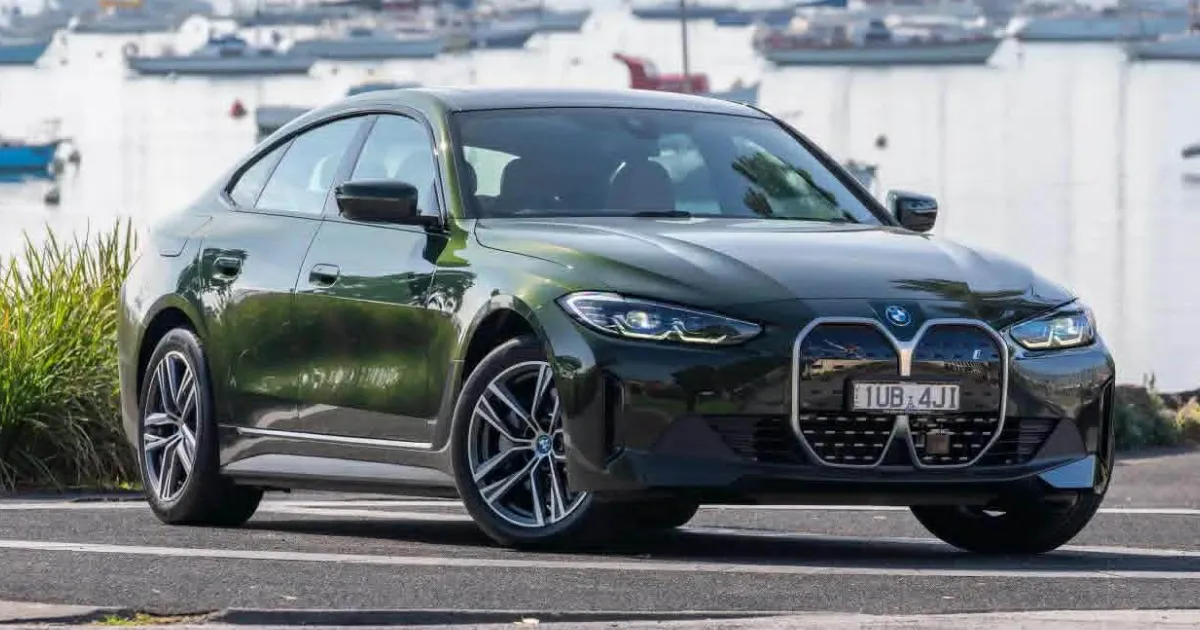
BMW just confirmed that the beloved i4 electric sedan will end production in 2026, making room for a reimagined i3 EV designed for a new generation of drivers. For many BMW lovers, this feels like closing a chapter.
This isn’t just a car update. It’s a story of change — one that raises questions about passion, progress, and what we expect from the future of driving.
🚗 From i4 to i3: A Cultural Shift
Iconic Doesn’t Always Mean Forever
The i4 wasn’t just another EV. It was BMW’s emotional bridge — a car that won hearts with sleek lines, agile handling, and surprisingly human character. Launched as part of BMW’s first full‑electric lineup, the i4 felt like a declaration: electric could still be fun.
Owners talked about the i4 like it was a trusted companion — something that didn’t just move them physically, but emotionally. That’s rare in a world obsessed with specs and speed.
And yet, in 2026, it will quietly roll off the assembly line for the last time.
🔍 Why BMW Is Making This Move
A Bold Strategic Play
BMW isn’t retiring the i4 because it failed. Far from it — the car earned respect from critics and drivers alike.
Instead, this decision reflects deeper shifts:
- Evolving customer expectations — today’s EV buyers want compact, efficient, and urban‑ready solutions.
- Market momentum — smaller EVs are gaining worldwide traction faster than luxury sedans.
- Tech platform changes — the new i3 is built on BMW’s latest electric architecture, promising better range and smarter systems.
Industry insiders call this a “pivot toward agility.” BMW is betting that nimble, city‑friendly EVs will define the next decade more than larger sedan models.
🆕 The New i3: What to Expect
The original i3 was a pioneer — quirky, futuristic, and unapologetically different. Now, BMW is bringing back the name with a bold rethink.
What’s New?
- Sharper design that blends athleticism with everyday usability.
- Improved electric range designed for real‑world driving.
- Next‑gen tech including smarter connectivity and optional autonomous features.
- Urban‑first engineering — perfect for cities and long trips alike.
BMW says this new i3 will be “more emotive, more connected, and more human” — a promise that aims to resonate with both longtime fans and next‑gen EV adopters.
🧠 Expert Take: Change Can Be Emotional
Auto industry analysts see this as both practical and emotional.
“Fans got attached to the i4 not just for its performance, but for what it represented — BMW proving EVs could be soulful. The new i3 has big shoes to fill, but it could redefine emotional electric driving for a newer, younger audience.”
This is change with weight — not just product planning.
💬 Why This Matters Now
The EV Market Is Rapidly Redefining Itself
- EV buyers are younger and more urban.
- Compact models are soaring in popularity.
- Battery tech is evolving faster than ever.
BMW is steering toward a future where flexibility matters more than legacy.
This moment marks a broader trend: what we once loved may evolve into something we’re about to love even more.
❓ What It Means for Drivers
For owners of the i4, it’s bittersweet. You’re saying goodbye to a car that felt alive — that didn’t just transport you, but resonated with you.
For future drivers, it’s a chance to meet something new — a vehicle designed for the next chapter of electric driving.
🔚 Final Thought
The sunset of the i4 and rise of the new i3 isn’t just a product swap — it’s a story about progress and emotional connection. It reminds us that even in a world driven by data and performance, there’s still space for heart.
As one EV owner recently said, “I don’t just miss the car — I miss what it felt like every time I drove it.”
And that feeling? That’s the true legacy of the BMW i4.

I am a content creator/ Digital Marketor.