The electric future isn’t developing as many had anticipated.
Quietly, some automakers are abandoning their aggressive EV schedules.
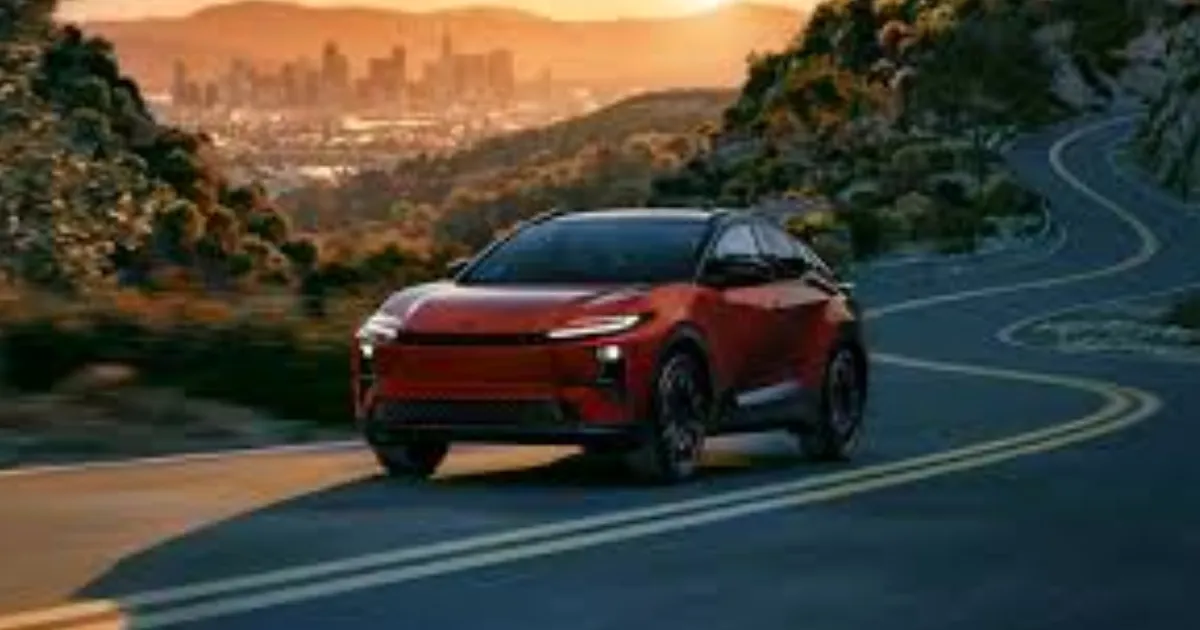
Nevertheless, Toyota, which was previously viewed as cautious, is now moving forward with unexpected assurance.
What was altered?
A Change Few Anticipated
Toyota was criticized for being “late” to adopt electric cars for many years.
While rivals rushed toward complete electrification, it mainly relied on hybrid vehicles.
The story is now changing.
Toyota is spending billions on battery innovation, manufacturing scaling, and next-generation EV platforms. Due to growing expenses and erratic demand, companies including Ford and GM have paused several EV ambitions.
Toyota isn’t hesitating at all.
The timing is deliberate.
The Plan for Toyota’s EV Drive
Putting Money on Smarter Rather Than Faster
Toyota researched EVs rather than ignoring them.
The business concentrated on hybrid domination rather than hurrying early, giving it:
- Profound knowledge of batteries
- Robust supply chain management
- Real-world electrification data
It is now utilizing that base to more precisely enter the EV industry.
Batteries of the Future Will Change Everything
Solid-state batteries are Toyota’s largest bet.
They guarantee:
- Quicker charging times
- Greater energy density
- Extended life expectancy
They could address some of the most significant issues with EV adoption if they are successfully scaled.
Toyota is getting ready for the next big step, while others grapple with the limitations of current lithium-ion technology.
The Reasons Behind Other Automakers’ Deceleration
Growing Expenses and Market Trends
The cost of producing EVs is high.
From infrastructure to raw materials, many businesses are dealing with:
- Manufacturing expenses that are higher than anticipated
- Slower customer adoption in certain regions
- Concerns about profitability
For instance, EV losses in the billions have been openly admitted by Ford. Timelines have been modified by GM to reflect demand.
This is recalibration, not failure.
Customers Are Still Reluctant
EV adoption is not uniform, despite increased enthusiasm.
There are still concerns:
- Charging infrastructure
- Battery range anxiety
- Upfront costs
Toyota was prepared for this reluctance.
For this reason, it kept improving hybrids while building a more robust EV entry point.
A Well-Rounded Strategy: Toyota’s Hidden Advantage
The Future Is Funded by Hybrid Dominance
Globally, Toyota’s hybrid lineup continues to bring in strong revenue.
In addition to being well-liked, models like the Prius and Corolla Hybrid are also highly profitable.
This gives Toyota something that many of its competitors now lack:
Financial freedom to invest in EVs without immediate pressure for returns.
Multiple-Pathway Approach
Toyota is not focusing all of its efforts on a single solution.
It is investigating:
- Hybrid automobiles
- Battery electric vehicles (BEVs)
- Hydrogen fuel cell technology
This diverse strategy lowers risk and makes it possible to adjust as the market changes.
Why This Is Important Right Now
A new stage of the EV race is about to begin.
It’s now about who moves the smartest, not who moves first.
Toyota’s change signals something more significant:
- Sustainability is replacing hype in the sector
- Profitability is becoming as important as innovation
- Long-term strategy is outperforming short-term speed
Customers are keeping a close eye on everything.
Investors are, too.
And businesses that strike a balance between ambition and realism might end up leading the next wave of mobility.
It Feels Different on the Road Ahead
Toyota’s strategy goes beyond electrified vehicles.
It involves reframing the entire transition process.
While others adapt and reconsider, Toyota is moving forward—with patience, preparation, and a long-term vision.
Toyota’s ability to compete in the EV market is no longer the question.
It’s whether the race could be won by its slower, more intelligent approach.
Because sometimes, those who wait…
arrive at the most crucial moment.
