The Quiet Revolution on Your Wrist
I slipped on the Fitbit Air two weeks ago and almost forgot it was there. That’s exactly the point. In a world of glowing smartwatches that buzz, ping, and demand attention, Google has done something radical: they removed the screen entirely.
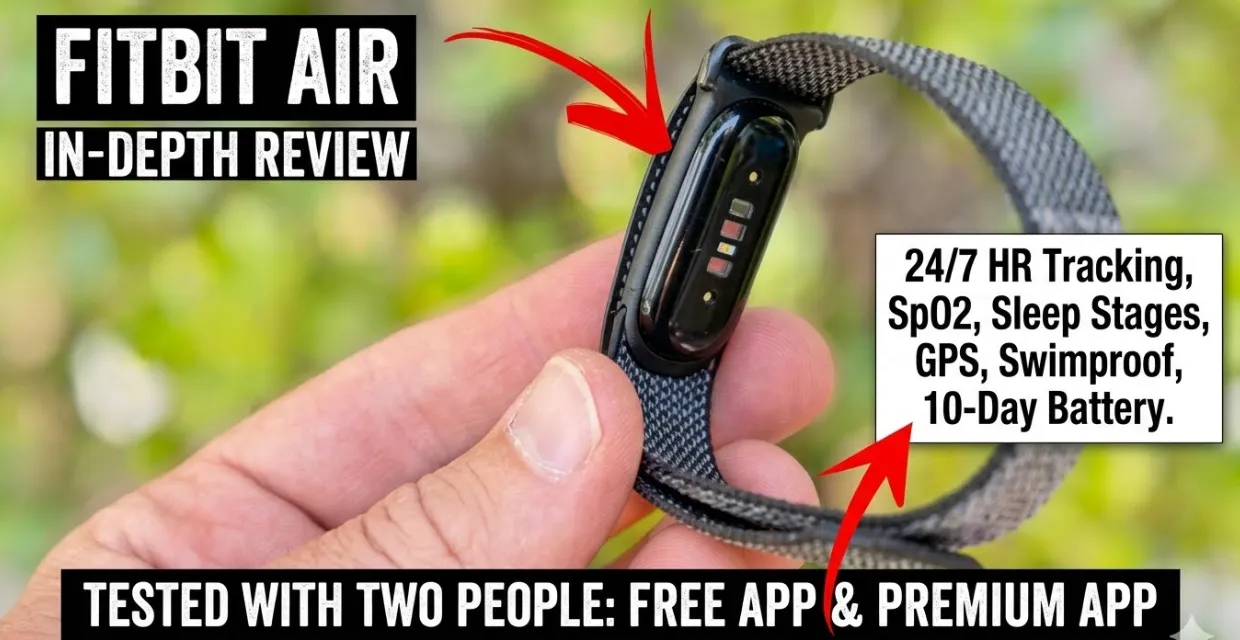
This tiny pebble of a tracker feels more like jewelry than tech. And for the first time in years, wearing a fitness device doesn’t make me feel like I’m carrying a tiny computer everywhere I go.
What Makes the Fitbit Air Special?
The Fitbit Air is Google’s most minimalist wearable yet. No display. No distracting notifications. Just continuous, accurate tracking of your heart rate, sleep, steps, stress, and activity — all packed into an incredibly lightweight band.
Key highlights:
- Price: Starts at $99
- Battery life: Up to 7-8 days
- Design: Ultra-thin, comfortable for 24/7 wear (even sleeping)
- Compatibility: Works with Android and iOS via the new Google Health app
- Subscription: Optional — basic tracking is free
What hits hardest is how forgettable it feels in the best way. I’ve tested plenty of wearables, but this is the first one I genuinely don’t notice during meetings, workouts, or even while swimming.
From Skeptic to Believer: My Personal Story
Like many of you, I was burned out on fitness tech. My wrist felt heavy from constant smartwatch use. Notifications pulled me out of the moment. The pressure to “close rings” or hit targets started feeling more stressful than motivating.
Then the Fitbit Air arrived.
The first night I wore it, I slept better — not because of any magic, but because I wasn’t checking my watch before bed. The next morning, the Google Health app delivered gentle, actionable insights instead of overwhelming data dumps.
It told me my recovery was solid but suggested lighter movement that day based on my sleep patterns. For once, the advice felt human.
Why Screenless Tracking Is Having a Moment
We’re all exhausted by screens. The Fitbit Air taps into a growing desire for less technology in our wellness journey — not more.
It quietly competes with devices like the Whoop but at a much more accessible price point. No mandatory expensive subscription for core features. No flashy display that drains battery and attention.
Instead, you get deep health insights powered by Google’s advanced sensors and new algorithms. Heart rate tracking during workouts feels surprisingly accurate. Sleep stages are detailed without being intimidating.
Who Should Buy the Fitbit Air?
This tracker shines for:
- People tired of bulky smartwatches
- Those who want honest 24/7 health data without the hype
- Beginners looking for gentle guidance
- Advanced users who already own a Pixel Watch and want a companion tracker
- Anyone seeking better sleep and recovery insights
It’s not trying to replace your phone or smartwatch. It’s doing one thing exceptionally well: tracking your body’s story throughout the day and night.
Why This Matters Right Now
In 2026, we’re more aware than ever of how constant connectivity affects our mental health. The Fitbit Air represents a shift toward intentional technology — tools that support us without demanding center stage.
Google’s integration of AI coaching (available with Premium) adds a thoughtful layer. It doesn’t just show numbers; it helps translate them into real-life changes. Small wins that actually stick.
The Emotional Payoff
There’s something profoundly empowering about understanding your body better without it feeling clinical or cold. The Fitbit Air helped me reconnect with how I actually feel — not just what my stats say.
I’ve caught myself smiling more during evening walks, knowing the quiet band on my wrist is cheering me on without needing to announce it.
Ready to Rediscover Your Body’s Rhythm?
The Fitbit Air isn’t just another fitness tracker. It’s an invitation to move through life with more awareness and less distraction.
In our noisy, always-on world, sometimes the most powerful upgrade is the one you barely notice — until you see real changes in your energy, sleep, and motivation.
Are you ready to go screenless? Your wrist (and mind) might thank you.

I am a content creator/ Digital Marketor.