Japan has always had a special place in the world of robotics. People often imagine cute robots with shiny faces and smooth gestures, but the trend is changing fast. Today, Japanese robot makers are putting function first. Instead of building robots that simply look human, they are creating machines that can actually work like one. This shift feels practical and honestly quite smart, because industries now need robots that help solve real problems, not just entertain a crowd.
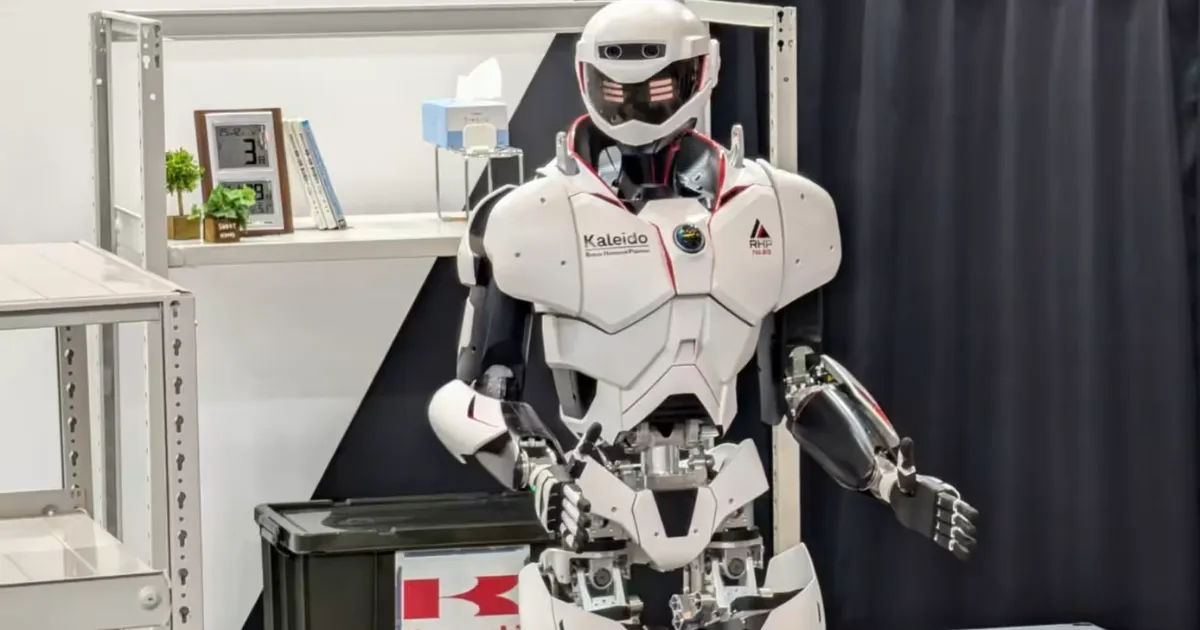
One of the biggest reasons behind this change is demand from factories, logistics companies, and even healthcare centers. These places don’t care much about a robot’s face or perfect proportions. They care about whether the robot can lift boxes, walk over uneven floors, handle tools, or support a worker during a physical task. So companies in Japan are designing humanoids with durable joints, balanced frames, and strong energy systems. Some machines might look a bit rough on the outside, but they perform with impressive precision.
Another reason is safety. A humanoid robot working in a warehouse needs to move gently around humans, react instantly to obstacles, and stay stable during heavy work. The old idea of making robots look smooth and stylish is not enough. Engineers now focus more on advanced sensors, flexible materials, and intelligent control systems. This gives the robot a kind of practical awareness. You might say it looks a little plain, but it behaves in a way that truly matters.
There is also a shift in public mindset. People who once expected humanoid robots to look like animated characters now understand that usefulness beats appearance. Companies like Toyota, Honda, and several new startups are showing prototypes designed for disaster response, elderly support, and logistics automation. These robots have simple faces or even no faces at all, but they are built to perform tasks that humans find risky or tiring.
Another interesting part is cost. Fancy outer shells and smooth designs add extra expenses. By focusing on function, developers can cut down the price and speed up testing cycles. This makes it easier for more industries to adopt robotic assistance. Japan wants humanoid robots to become part of daily work life, not just a tech showpiece.
Overall, the new direction taken by Japanese makers feels more mature. The world doesn’t need a perfect human copy. It needs reliable partners that can walk, carry, support, and assist. Japan’s shift toward functional humanoids shows a clear future where robots are valued for what they can do, not how they look. And honestly, that future feels a lot closer than people think.

I am a content creator/ Digital Marketor.