Gen AI vs Traditional Art: Creativity, Control, and the Future Debate
Art has always changed with time. From cave paintings to digital tablets, every era brings a new way to create. Now the big discussion is Gen AI vs Traditional Art. Some people are excited. Others are worried. And honestly, both sides have a point.
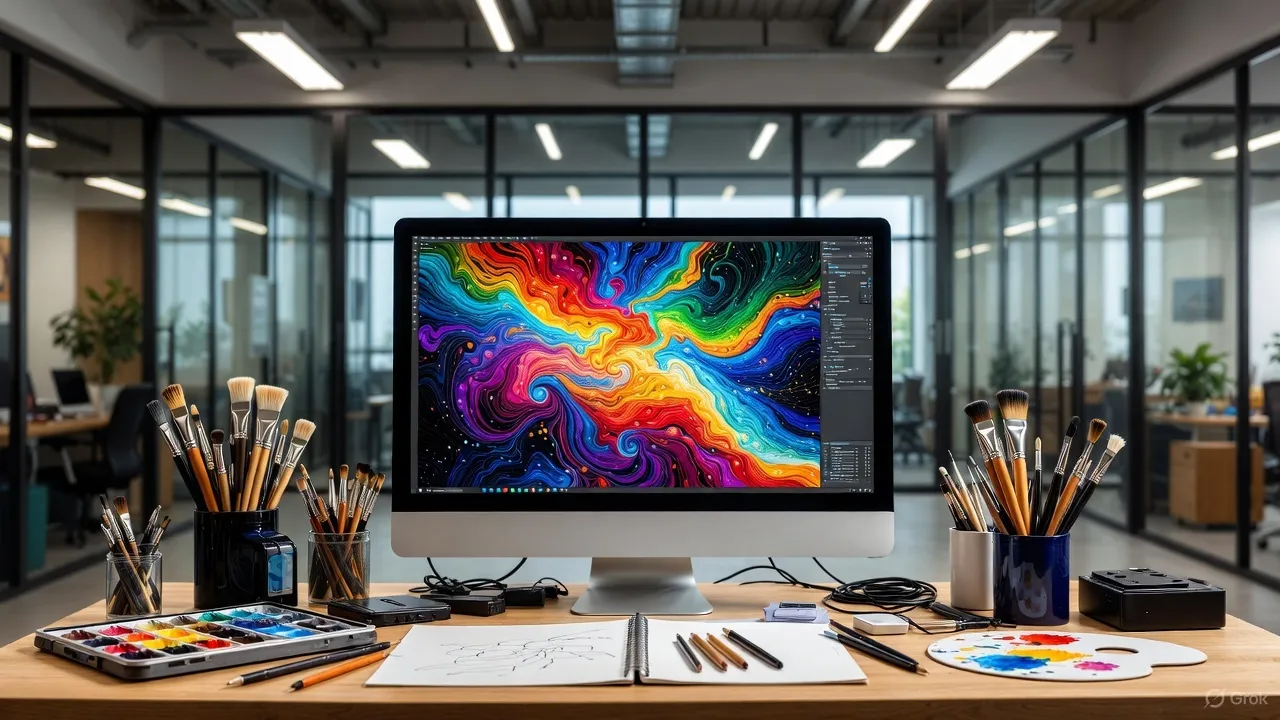
Traditional art comes from human hands, human emotion, and years of practice. Painting, sketching, sculpting, or carving involves physical effort and personal expression. When an artist paints, every stroke carries intention. Mistakes stay visible. That raw imperfection is often what makes the work powerful.
Gen AI art works very differently. It uses algorithms trained on massive datasets of images, styles, and patterns. With a few prompts, AI can generate artwork in seconds. What once took weeks can now happen almost instantly. For designers, marketers, and content creators, this speed feels like magic. But some also feel it removes the soul from the process.
Creativity and Originality
Traditional artists create from lived experience. Their art is influenced by emotions, culture, and personal stories. Even if two artists paint the same subject, the outcome is never truly the same.
Gen AI creates by combining existing patterns. It does not feel emotions or have life experiences. It predicts what an image should look like based on data. The result can be impressive, but critics argue it is remixing, not inventing. Still, many professionals see AI as a creative assistant, not a replacement.
Skill, Effort, and Learning Curve
Traditional art requires years of skill development. Learning anatomy, perspective, color theory, and technique takes time. That effort creates deep respect for the craft.
Gen AI lowers the entry barrier. You do not need years of training to produce visually appealing results. This is empowering for beginners and small businesses, but it also raises questions about value. If anyone can generate art, what defines mastery anymore.
Ethics and Ownership
One major concern with Gen AI art is data sourcing. Many AI models are trained on artworks without direct permission from artists. This has sparked legal and ethical debates around copyright, ownership, and fair use.
Traditional art ownership is clearer. The artist owns their work unless they sell the rights. With AI art, authorship can feel blurry. Who owns the output. The user. The platform. Or the artists whose work trained the model. This topic is still evolving.
The Future of Art
Gen AI is not replacing traditional art. Instead, it is changing how art is made and used. Many artists now blend both, sketching ideas traditionally and refining them with AI tools. That hybrid approach feels more realistic for the future.
In the end, Gen AI vs Traditional Art is not a war. It is a shift. Traditional art will always hold emotional and cultural value. Gen AI will continue to push speed, accessibility, and experimentation. The real creativity happens when humans decide how to use the tools, not when tools decide for us.