Robotics and automation are no longer ideas locked inside factories or science fiction movies. They are already part of our daily life, sometimes without us even noticing. From automated customer support to robotic arms assembling cars, this technology is changing how work gets done. And honestly, it is happening faster than many people expected.
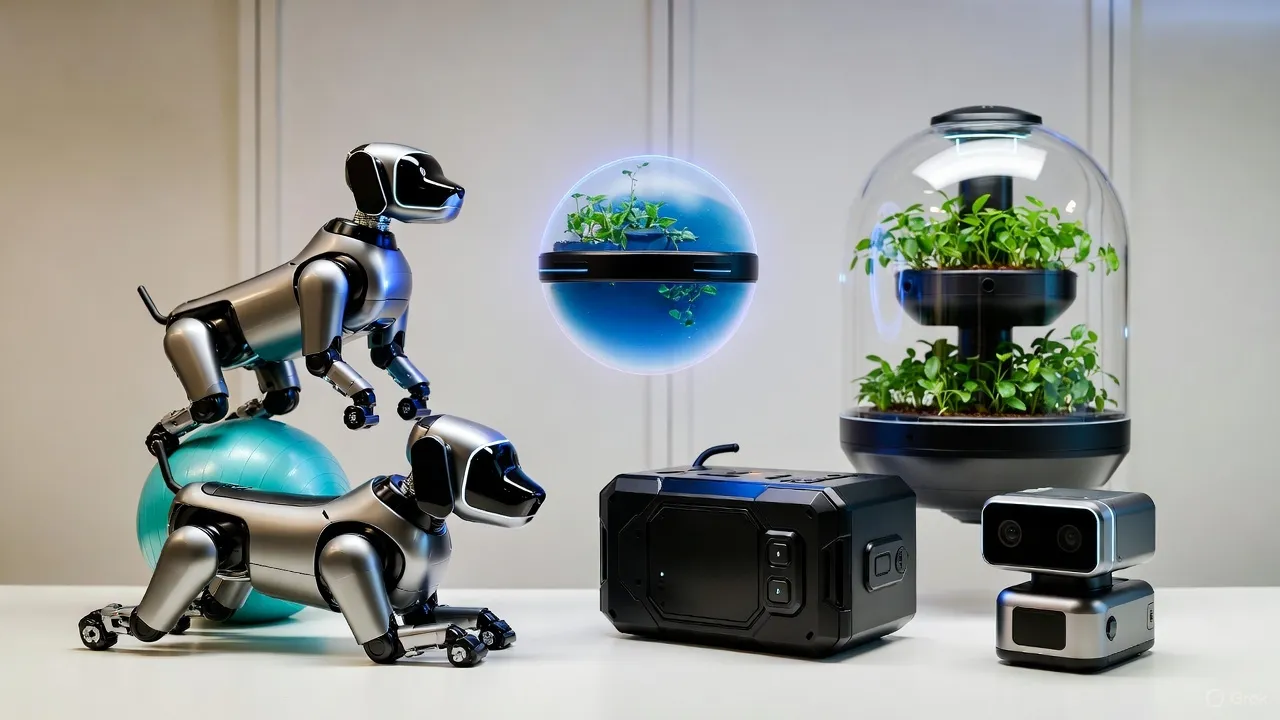
At its core, robotics is about creating machines that can perform physical tasks. Automation goes a step further by allowing systems to work with minimal human input. When combined, they help businesses improve speed, accuracy, and consistency. This is why companies across manufacturing, healthcare, logistics, and even agriculture are investing heavily in these technologies.
One major reason robotics and automation are gaining popularity is efficiency. Machines do not get tired, they do not lose focus, and they can repeat the same task thousands of times with the same precision. In industries like manufacturing, automated assembly lines reduce errors and production costs. This directly impacts product quality and customer satisfaction, which matters a lot in competitive markets.
Healthcare is another area seeing big benefits. Surgical robots assist doctors with highly delicate procedures, improving accuracy and reducing recovery time for patients. Automation also helps manage medical records, schedule appointments, and monitor patients remotely. For hospitals already under pressure, this kind of support is extremely valuable.
There is also a growing impact on workplace safety. Robots can handle dangerous tasks such as heavy lifting, working in extreme temperatures, or dealing with hazardous chemicals. This reduces the risk of injury and allows human workers to focus on roles that require judgment, creativity, and decision-making. Some people worry about job loss, and that concern is valid. But in many cases, automation is shifting jobs rather than eliminating them completely. New roles are emerging in robot maintenance, programming, and system supervision.
From an economic perspective, robotics and automation help businesses scale faster. Startups and large enterprises alike can increase output without a linear increase in labor costs. This is especially important in regions facing labor shortages. Automation fills gaps where skilled workers are hard to find.
Looking ahead, the integration of artificial intelligence with robotics is where things get really interesting. Smart robots can learn from data, adapt to new environments, and make real-time decisions. This opens doors to advanced applications like autonomous vehicles, smart warehouses, and personalized manufacturing. It feels like we are just scratching the surface.
In conclusion, robotics and automation are not about replacing humans. They are about enhancing how work is done. When used responsibly, they improve productivity, safety, and innovation across industries. The future belongs to those who understand this shift and adapt early. If you are ignoring robotics and automation today, you might already be a step behind tomorrow.