Orbital data centers and space AI are no longer just a cool sci fi idea. They are moving closer to real world deployment as companies and governments look for faster computing, cleaner energy use, and better global connectivity. The sudden rise of AI models that need massive processing power has pushed the search for smarter, more sustainable infrastructure. Space is now becoming the next logical step.
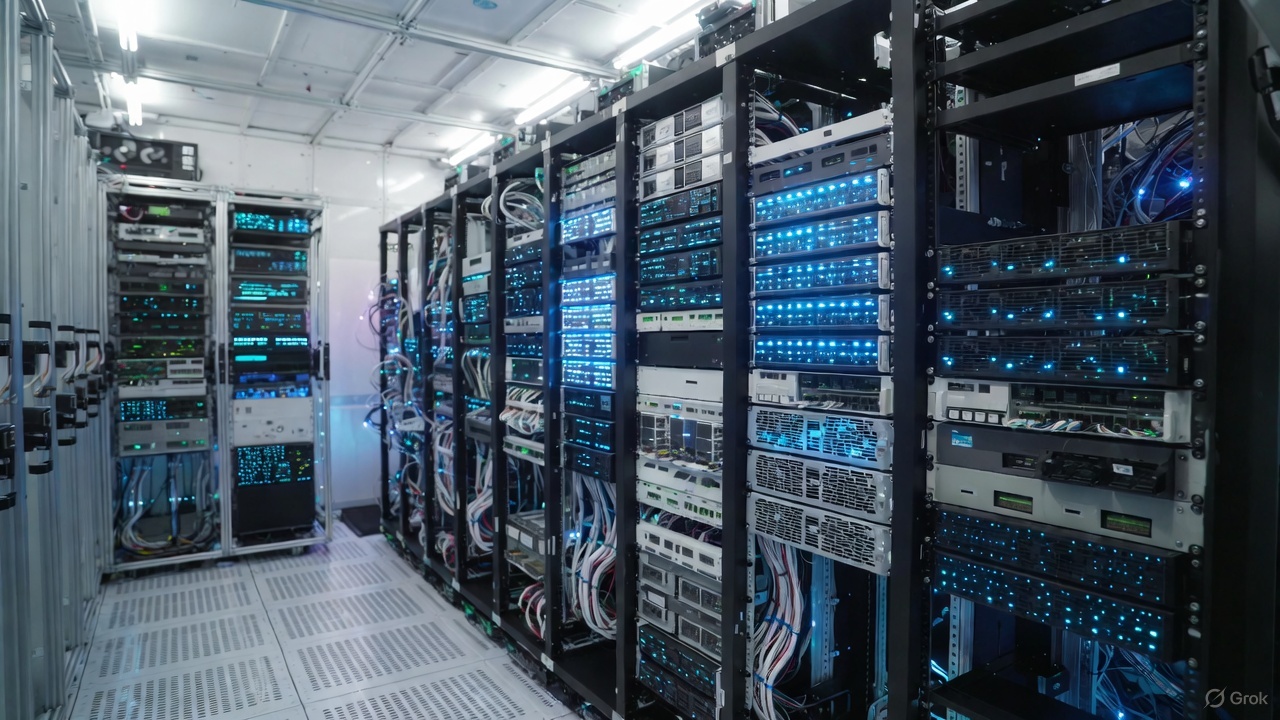
The biggest reason people are excited about orbital data centers is simple. Space offers cold temperatures, stable conditions, and constant access to solar energy. This means servers can run cooler, energy costs drop a lot, and large scale AI training becomes easier to manage. On Earth, data centers already use huge amounts of electricity. In orbit, much of that energy can come directly from the sun, which naturally reduces the carbon footprint.
Another strong advantage is speed. Space AI systems can process global data streams in real time. Think of climate models, satellite imagery, international communication, logistics, and defense. With orbital networks, the time taken to collect data and send it back reduces sharply. It also supports low latency services for global users. For AI tools that depend on quick decisions, this matters more than people realise.
Companies working in this space focused sector are also developing AI models that stay in orbit and learn from live satellite data. Instead of sending everything back to Earth for processing, the model learns, makes predictions, and filters results in space itself. This improves bandwidth efficiency and helps reduce the load on ground networks.
Orbital data centers also open a new pathway for disaster recovery. If a region is hit by floods, earthquakes, or cyber attacks, a space based center remains untouched and keeps essential services online. For sectors like finance, healthcare, aviation, and emergency response, this extra layer of security is extremely valuable.
Of course, this future has challenges. Launch costs are still high. Repairs and upgrades are complicated. Space debris is another risk that engineers must solve with better shielding and tracking systems. But the momentum is clear. Major aerospace companies and AI firms are already testing prototypes and planning partnerships.
What makes this shift interesting is how quickly AI demand is rising. Ground data centers are struggling to keep up with power and cooling needs. Cities are also becoming concerned about land use and energy pressure. Orbital centers offer a cleaner, scalable alternative that supports the next decade of AI growth.
In short, orbital data centers and space driven AI will reshape the future of global computing. They might feel like distant technology today, but the progress is moving fast. The next wave of high performance AI infrastructure might not be built on land at all. It might be floating quietly above us, working around the clock.

I am a content creator/ Digital Marketor.