

A Sudden Storm in Europe’s Tech Market
In an unexpected move that has sent ripples across the global technology industry, Acer and Asus have encountered a major sales ban in Germany. For consumers, retailers, and tech enthusiasts alike, the development feels abrupt and unsettling.

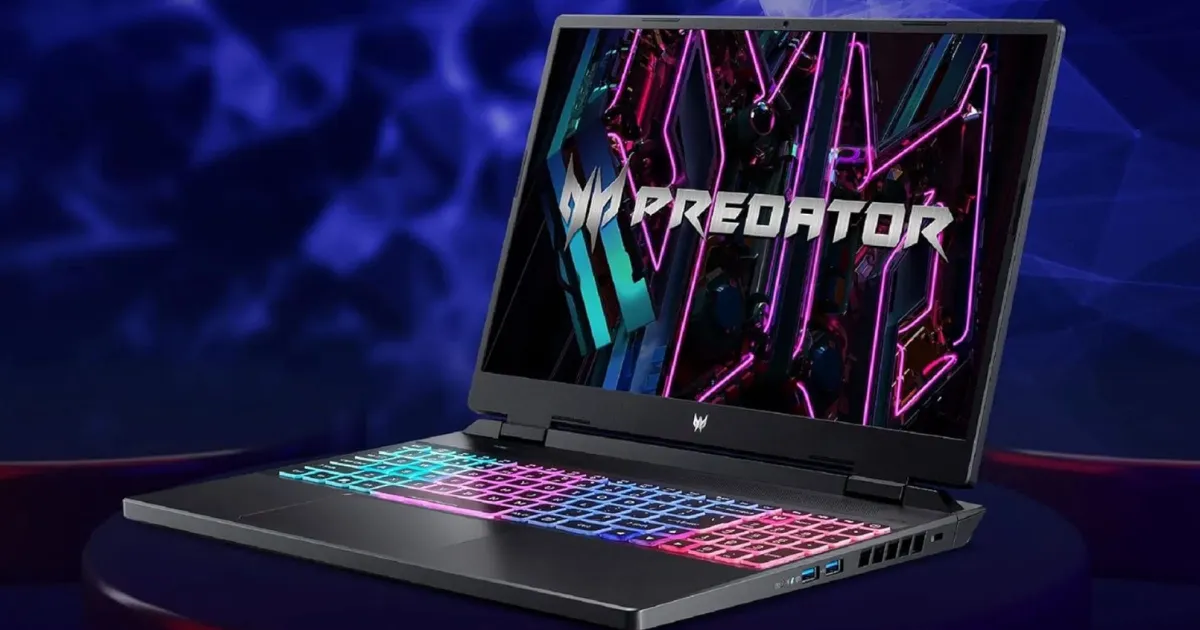
Germany is not just another European market — it is one of the continent’s largest and most influential economies. When a country of this scale enforces restrictions on globally recognized laptop brands, the impact is immediate and emotional. Shelves that once displayed sleek notebooks and gaming laptops may now look noticeably different.
Why Were Acer and Asus Sales Blocked?
At the heart of the issue lies a legal dispute involving patent licensing. Reports indicate that the conflict centers around wireless communication technologies. The ban follows a court ruling tied to intellectual property rights asserted by Nokia, which claims that certain essential patents were used without proper licensing agreements.
Patent battles are not new in the tech world. However, when they escalate to nationwide sales restrictions, the consequences become deeply personal — especially for students, professionals, and gamers who rely on affordable yet powerful devices from these brands.
The ruling effectively prevents the sale of specific Acer and Asus products within Germany unless licensing terms are resolved. While the companies can appeal or negotiate, the uncertainty has already left the market tense.
Emotional Impact on Consumers and Retailers
For everyday buyers, this isn’t just corporate drama — it’s about access and affordability. Acer and Asus have built reputations for delivering performance at competitive prices. Many German consumers trust these brands for study, remote work, and creative pursuits.
Retailers, meanwhile, face immediate challenges. Inventory management becomes complicated, revenue projections shift, and customer inquiries increase. The sales halt disrupts not only supply chains but also confidence.
Technology is deeply woven into daily life. When legal conflicts interfere with product availability, it reminds us how fragile the global tech ecosystem truly is.
What This Means for the European Market
Germany often sets regulatory and legal precedents that echo across the European Union. While the current ban is limited geographically, industry analysts are closely watching for broader implications.
If similar rulings were pursued in other jurisdictions, the competitive landscape could shift dramatically. Rival brands may temporarily gain market share, but long-term uncertainty benefits no one — not consumers, not retailers, and certainly not innovation itself.
At the same time, this situation highlights the growing importance of patent compliance and cross-border licensing agreements in a hyper-connected world. Tech companies must navigate increasingly complex legal frameworks while continuing to innovate.
What Happens Next?
Both Acer and Asus are expected to pursue legal remedies or negotiate settlements to restore product availability. Historically, such disputes often end in licensing agreements rather than prolonged bans.
For now, German consumers wait. The hope is that resolution comes swiftly — not just for corporate interests, but for the millions who depend on accessible technology every day.


I am a content creator/ Digital Marketor.