Edge Computing and IoT: What Is Really Happening Behind the Scenes
Edge Computing and IoT are often talked about like buzzwords, but the reality is far more practical and honestly a bit fascinating. Together, they are changing how devices think, respond, and make decisions in real time. Not in some future roadmap way. This is already happening around us.
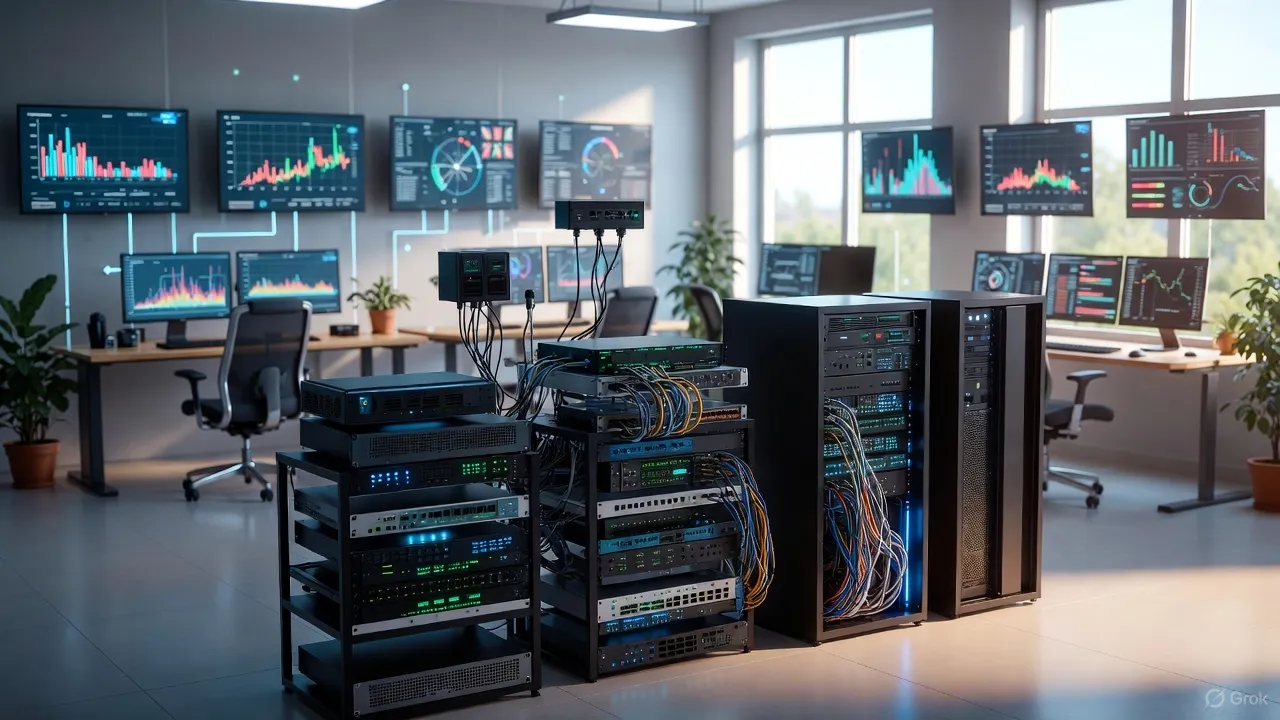
Let us start simple.
The Internet of Things refers to physical devices like sensors, cameras, machines, wearables, and smart appliances that collect and exchange data. Traditionally, this data was sent to centralized cloud servers for processing. That worked fine until devices exploded in number and speed started to matter more than storage.
This is where edge computing steps in.
Why the Cloud Alone Was Not Enough
Sending every bit of IoT data to a distant cloud creates latency. Even a few milliseconds can be a problem in use cases like autonomous vehicles, industrial automation, or healthcare monitoring. Edge computing solves this by processing data closer to where it is generated, at the edge of the network.
Instead of waiting for instructions from the cloud, devices can act instantly. This feels small, but the impact is massive.
For example, a smart factory sensor can detect equipment failure and shut down a machine immediately. No delay. No cloud dependency. That speed saves money and sometimes lives.
Real World Applications That Actually Matter
Edge computing and IoT are already deeply embedded in many industries.
In healthcare, wearable devices monitor vital signs and flag anomalies in real time. In retail, smart shelves track inventory locally and reduce stockouts. In smart cities, traffic signals adjust based on live congestion data instead of historical patterns.
These are not experiments. These systems are live, tested, and scaling fast.
Security and Data Trust Get Better
One common concern with IoT has always been security. Sending sensitive data across networks increases exposure. Edge computing reduces this risk by limiting how much data leaves the local environment.
Only relevant insights are sent to the cloud. Raw data stays closer to the source. This architecture supports stronger compliance, better privacy control, and improved trust, especially in regulated sectors.
From an EEAT perspective, this matters. Systems that demonstrate reliability, transparency, and data responsibility are more likely to be trusted by users and regulators alike.
Scalability Without Breaking Everything
As IoT ecosystems grow, edge computing helps avoid bandwidth overload. Processing locally reduces cloud costs and keeps systems stable even during peak loads.
This makes large scale deployment realistic, not just theoretical.
Experts in distributed systems widely agree that edge plus cloud is the most sustainable long term architecture. It is not edge versus cloud. It is edge working with cloud.
Final Thought
Edge computing and IoT are not flashy trends. They are quiet infrastructure shifts that power faster decisions, safer systems, and smarter environments.
If you are looking at the future of connected technology, this combination is not optional. It is foundational. And yes, it is already shaping the way digital systems behave today, even if most people never notice it.