Extended Reality, commonly called XR, is no longer a futuristic buzzword. It is already shaping how we work, learn, shop, and even socialize. In simple terms, XR is an umbrella technology that combines Augmented Reality (AR), Virtual Reality (VR), and Mixed Reality (MR). Together, these experiences blur the line between the physical world and the digital one. And honestly, it is moving faster than most people expected.
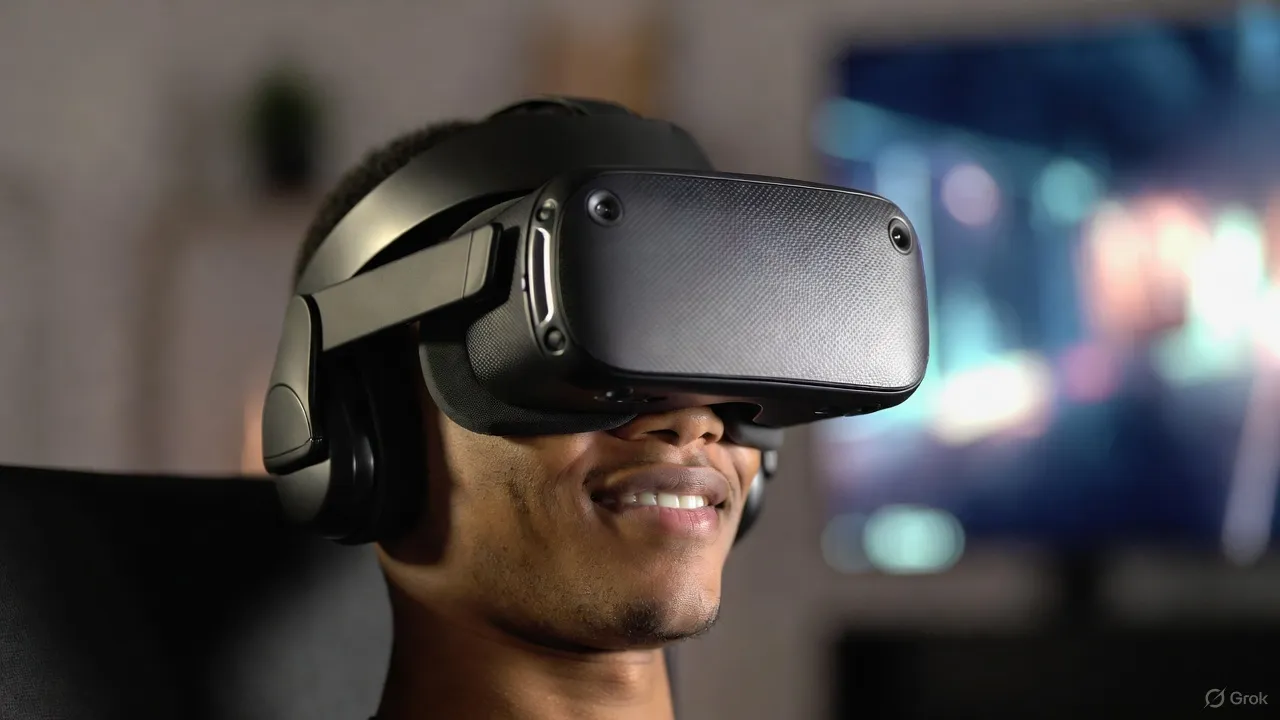
At its core, XR enhances human perception. AR adds digital layers to the real world, like navigation arrows on a street or filters on a camera app. VR places users inside a fully immersive digital environment, often using headsets. MR goes a step further by allowing digital objects to interact with the real world in real time. When these technologies come together, XR creates experiences that feel natural, interactive, and deeply engaging.
One of the biggest reasons XR is gaining attention is its real world utility. In education, XR enables students to explore historical sites, conduct science experiments, or practice surgery without physical risk. Medical professionals use XR simulations to train for complex procedures, improving precision and confidence. In corporate settings, companies rely on XR for employee training, virtual meetings, and remote collaboration. Teams across continents can now feel like they are in the same room, which is kind of wild when you think about it.
Entertainment and gaming were early adopters, but XR has matured beyond just fun. Retail brands use XR to let customers try products virtually, from furniture placement to clothing fit. Architects and engineers visualize buildings before construction begins, reducing costly errors. Even mental health therapy is benefiting, with XR environments used to treat anxiety, PTSD, and phobias in controlled settings.
From an SEO and EEAT perspective, what matters is credibility and usefulness. Leading tech companies like Meta, Apple, Microsoft, and Google are heavily investing in XR research and hardware. Academic institutions and healthcare organizations are publishing peer reviewed studies showing measurable improvements in training outcomes using XR tools. This growing body of evidence strengthens trust in XR as a practical and reliable technology, not just hype.
Another key driver is hardware improvement. XR devices are becoming lighter, more affordable, and more powerful. Cloud computing and AI integration further enhance XR experiences by making them more responsive and personalized. With faster networks like 5G, latency issues are shrinking, which makes real time XR interactions smoother. Sometimes it still glitches a bit, but the progress is clear.
Looking ahead, Extended Reality is expected to play a major role in the future of work and digital life. As spatial computing evolves, XR may replace traditional screens for many tasks. Instead of staring at flat displays, users could interact with data in three dimensional space. That shift alone could redefine productivity and creativity.
In short, XR is not about escaping reality. It is about extending it. And that change is already underway, whether we fully notice it or not.