Robots did not suddenly get smart overnight. What really changed is that artificial intelligence finally got a body. And once that happened, everything started moving very fast. If you are wondering why humanoid robots, factory bots, and home assistants are suddenly everywhere, this is the real reason behind it.
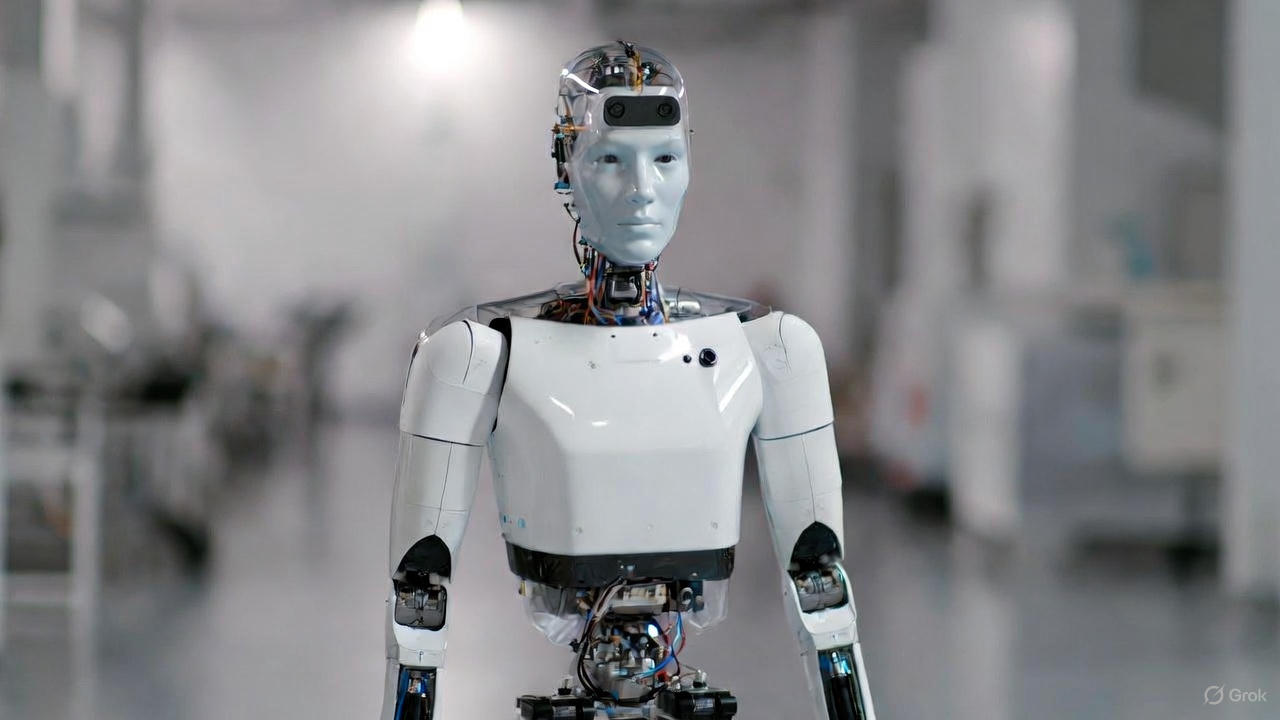
For years, AI lived only inside screens. It could chat, calculate, recommend movies, or write emails. Useful, yes. But limited. The moment engineers started connecting AI brains with physical bodies, the learning curve exploded. A robot does not just think. It touches, falls, lifts, fails, and tries again. That feedback loop is gold.
One major reason robots are evolving so quickly today is better AI models. Modern AI systems can process vision, sound, movement, and language at the same time. Earlier robots were rigid and rule based. If something unexpected happened, they froze. Today’s robots can adapt. They see a new object, understand it, and adjust their grip without a full reprogram. That is a big leap.
Another big driver is hardware becoming cheaper and smarter. Sensors, cameras, chips, and batteries are far more powerful now and also more affordable. What once cost millions in a research lab can now be built by startups with small teams. Faster processors mean robots can make decisions in real time. Lighter materials mean they move more naturally. It all adds up.
Data is also playing a silent but massive role. Robots learn by watching humans, simulations, and millions of trial runs in virtual worlds. A robot can fail ten thousand times in simulation without breaking a single arm. Then it enters the real world already trained. This is one reason progress feels sudden, but actually it was building quietly for years.
There is also strong commercial pressure. Companies want robots that can work in warehouses, hospitals, farms, and even homes. Labor shortages are real. Automation is no longer optional for many industries. When money, demand, and technology align, innovation accelerates. That is exactly what is happening now.
Ethics and safety matter too. Researchers are spending more time making robots predictable, controllable, and aligned with human values. This builds trust. When people trust robots more, adoption increases. More adoption means more data and faster improvement. It becomes a cycle.
So giving AI a body was not just a technical upgrade. It changed how AI learns, how fast it improves, and where it can be used. We are moving from thinking machines to acting machines. That shift is why robot evolution feels so fast today. And honestly, we are still early. The next decade will feel even faster, maybe a bit overwhelming, but fascinating for sure.