Google DeepMind just gave the world a quiet but powerful glimpse of the future. Not flashy sci-fi stuff, not lab-only demos. This time, it is real homes, real tasks, and a humanoid robot actually doing useful work. The project, called Home Humanoid, shows DeepMind working with Apptronik to test a general-purpose robot that can move, reason, and act in everyday environments.
This matters more than it sounds.
What exactly is Home Humanoid
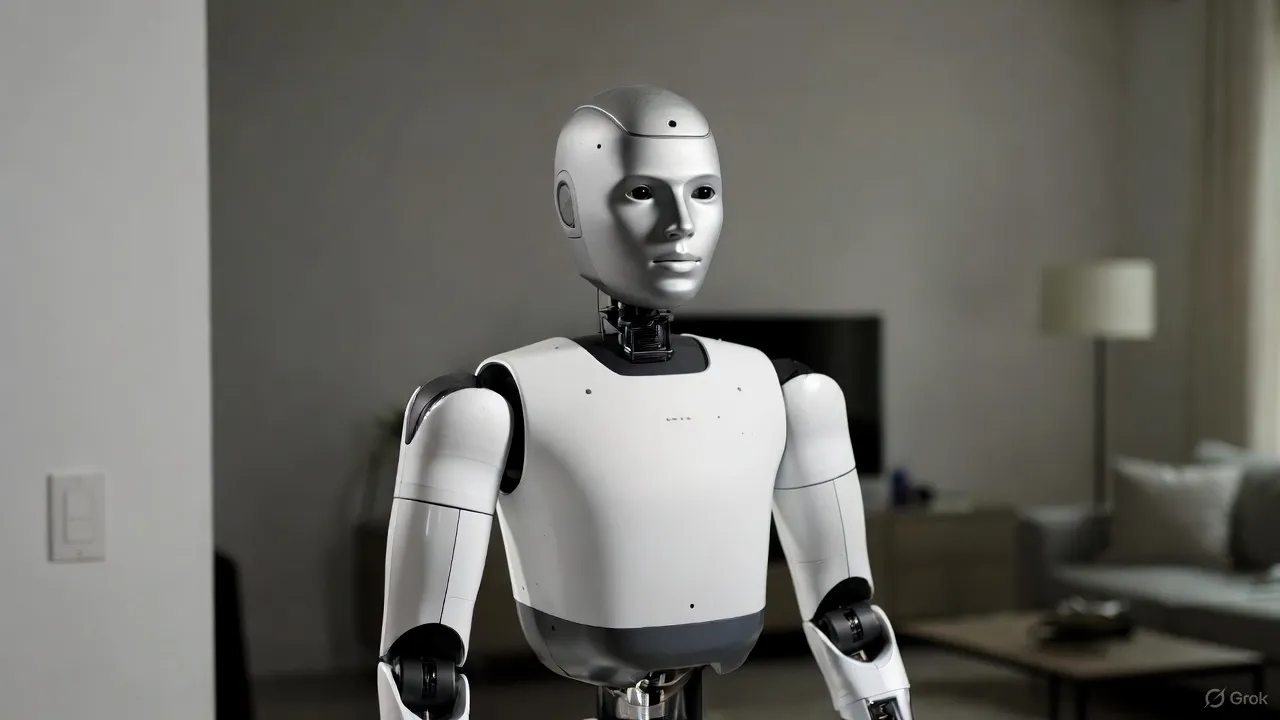
Home Humanoid is a research effort where Google DeepMind applies its advanced AI models to a physical humanoid robot built by Apptronik. Instead of training robots only in factories or controlled labs, the focus here is the home. Messy rooms, random objects, imperfect lighting, and unpredictable human behavior.
In short, the real world.
The robot is seen performing tasks like picking up items, organizing objects, navigating rooms, and responding to simple instructions. These are not pre-scripted moves. The system relies on AI reasoning, perception, and learning to adapt as conditions change. Sometimes it pauses, sometimes it corrects itself. That is the interesting part.
Why Apptronik was the right choice
Apptronik has years of experience building human-centered robots, including work with NASA. Their humanoid platform is designed to move safely around people, lift objects with care, and operate in spaces built for humans.
DeepMind brings the brain. Apptronik provides the body.
Together, they are closing a gap that has slowed robotics for decades. Smart software without capable hardware, or strong hardware without adaptive intelligence. Here, both evolve together.
The real-world tasks that stand out
What makes this demo different is not complexity, but usefulness.
The robot handles basic household actions that humans take for granted. Grasping objects of different shapes. Adjusting grip strength. Understanding spatial context. Moving through rooms without constant human correction.
These tasks sound simple, but they are incredibly hard for robots. Homes are unstructured. No two kitchens are the same. A spoon is light, a book is awkward, a cable is tricky. The robot must decide, not just execute.
And yes, it makes small mistakes. That is actually a good sign. Learning is happening.
Why this is a big moment for AI and robotics
From an EEAT perspective, this project signals credibility and long-term intent. Google DeepMind is not chasing viral demos. They are investing in foundational systems that could support elder care, assisted living, domestic help, and even disaster response.
Humanoid robots in homes raise serious questions too. Safety, privacy, trust. DeepMind has emphasized controlled testing and gradual deployment, which is reassuring. No overnight robot takeover here.
Still, this is a clear signal. AI is moving off the screen and into physical space.
What happens next
In the near term, do not expect a Home Humanoid for sale. This is research-first. But progress like this compounds fast. What looks experimental today can become practical sooner than expected.
A few years ago, large language models felt niche. Now they are everywhere.
Home Humanoid feels like the same early chapter. Slightly rough. Quietly impressive. And very real.