Neuromorphic and Ambient Computing Are Quietly Changing Daily Tech
Most people talk about AI like it lives only in big data centers or flashy chatbots. But the real shift is happening much closer to us. Neuromorphic and ambient computing are slowly blending technology into everyday life, almost to the point where you stop noticing it.
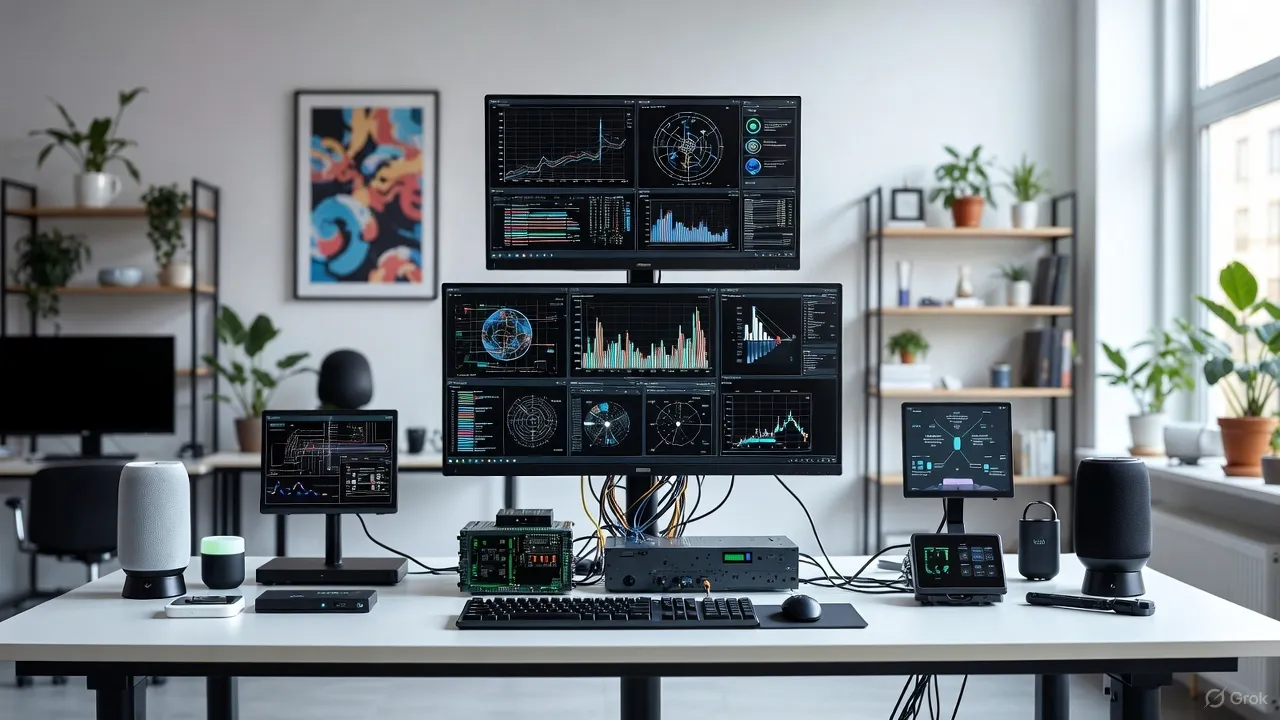
Neuromorphic computing is inspired by the human brain. Instead of processing data in rigid steps like traditional computers, neuromorphic chips work with neurons and synapses. They learn, adapt, and react in real time. This makes them faster for certain tasks and far more energy efficient. Think of a system that recognizes a voice or a face instantly, without sending data back and forth to the cloud.
Ambient computing, on the other hand, is about environment awareness. It allows technology to fade into the background while still being useful. Sensors, AI models, and connected devices work together quietly. Lights adjust based on your presence. Wearables track health patterns without constant input. Smart systems respond naturally, not with commands but with context.
When these two ideas come together, the impact is powerful. Neuromorphic systems provide brain like intelligence. Ambient computing provides awareness of surroundings. Together, they enable technology that feels intuitive rather than forced. This is especially important for fields like healthcare, mobility, and smart infrastructure.
In healthcare, neuromorphic chips can process signals like brain waves or heart rhythms instantly. Ambient systems can monitor patients continuously without bulky machines. Doctors get insights faster, patients feel less monitored, and data stays closer to the source. It sounds complex, but the experience becomes simpler for everyone involved.
Energy efficiency is another major advantage. Neuromorphic hardware consumes far less power than conventional AI models. That makes it ideal for edge devices like sensors, wearables, and smart home systems. Instead of relying on massive cloud processing, intelligence moves closer to where data is created.
From an EEAT perspective, this technology is backed by serious research. Institutions like IBM, Intel, and leading universities have invested years into neuromorphic architectures. Ambient computing is already present in commercial ecosystems like smart assistants and adaptive buildings. This is not experimental hype. It is a gradual, well validated shift.
For users, the benefit is subtle but meaningful. Technology stops demanding attention. It listens, learns, and adapts. You may not even notice it working, and that is the point. Systems that respect privacy, reduce friction, and improve efficiency without shouting for control.
Neuromorphic and ambient computing are not trends chasing headlines. They are foundational changes. As devices become smarter and more human in behavior, the future of computing looks less like machines and more like quiet partners in daily life. And honestly, that feels like the right direction.