Artificial intelligence is hungry. Not for data only, but for electricity. As AI models grow larger and data centers expand across the world, power demand is rising at a pace most grids were never designed for. This is where nuclear energy quietly steps back into the conversation, not as an old school option, but as a serious solution for powering AI at scale.
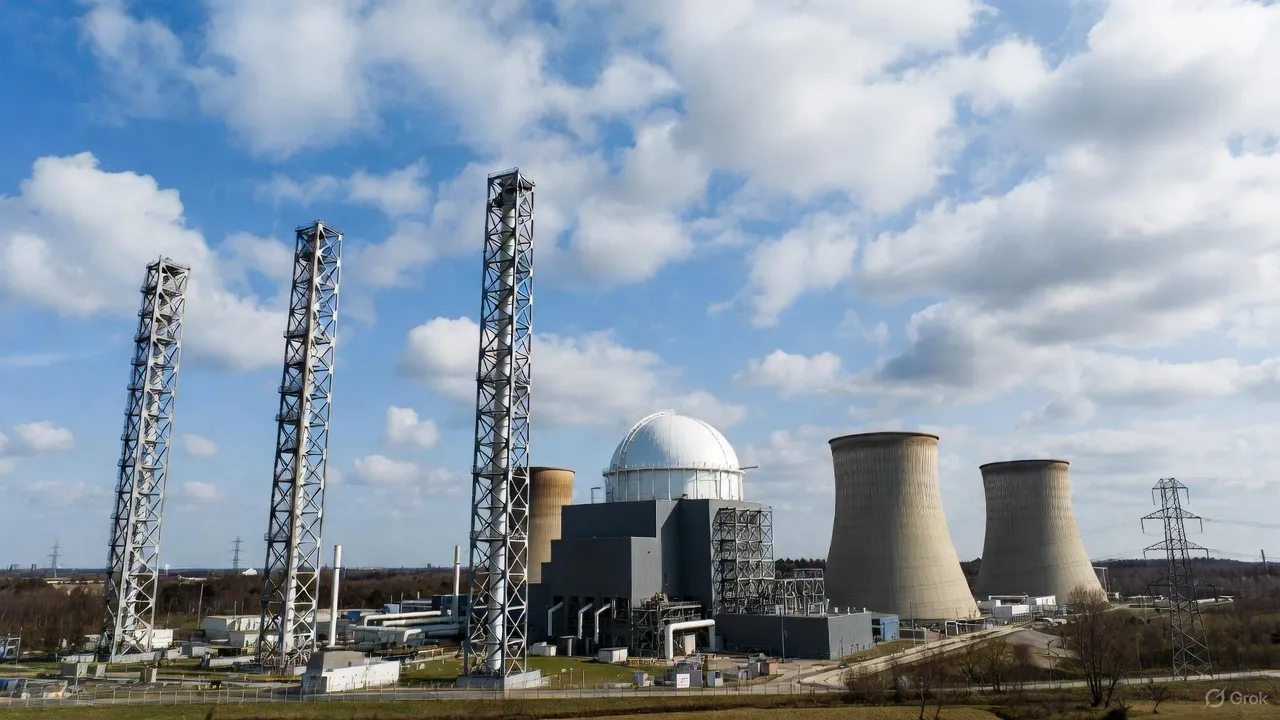
Training large AI models consumes massive amounts of energy. A single advanced model can use as much electricity as thousands of homes over its lifecycle. Cloud providers, chip manufacturers, and AI labs are now facing a real constraint. It is not talent or algorithms, it is power availability. Renewable energy helps, but solar and wind depend on weather and storage systems that are still expensive and limited. AI systems do not pause when the sun sets.
Nuclear energy offers something rare in today’s energy mix. Consistent, carbon free, and high density power. A nuclear plant can run day and night for months without interruption. For AI data centers that need stable baseload electricity, this reliability matters a lot. Even a brief power fluctuation can disrupt operations, damage hardware, or slow down critical workloads.
Modern nuclear is not what many people imagine from decades ago. Small Modular Reactors, often called SMRs, are being designed specifically for flexible deployment. They require less land, have enhanced safety systems, and can be placed closer to industrial zones and data hubs. Tech companies are already exploring long term nuclear power agreements to secure energy for future AI infrastructure.
From an environmental perspective, nuclear energy aligns well with AI sustainability goals. AI is often promoted as a tool to fight climate change, optimize logistics, and reduce waste. Powering it with fossil fuels would undermine that promise. Nuclear produces near zero operational emissions and has one of the lowest lifecycle carbon footprints among all energy sources.
There are challenges, of course. Public perception, regulatory approval, and high upfront costs slow down nuclear adoption. Waste management is another topic that still raises valid concerns. But when compared with the scale of energy AI will require over the next twenty years, these challenges are increasingly seen as manageable rather than blocking.
Governments are also paying attention. Countries investing heavily in AI leadership are re evaluating their nuclear policies. The logic is simple. If AI is a strategic asset, then the energy behind it is also strategic. Stable domestic power reduces reliance on volatile energy markets and strengthens national tech infrastructure.
In simple terms, AI needs power that does not blink. Nuclear provides that steady heartbeat. It may not be flashy, and it may not trend on social media, but behind the scenes it could become the backbone of the AI era. The future of intelligence might run on something very old, atoms splitting quietly, doing the hard work.