3D printing has quietly moved from a cool experiment to a serious force in modern manufacturing. And honestly, it is growing so fast that even big industries are trying to keep up. What started as a basic prototyping method is now shaping aerospace parts, medical implants, construction materials, and even food. This shift is not only about convenience, it is about changing how we imagine creating things in the future.
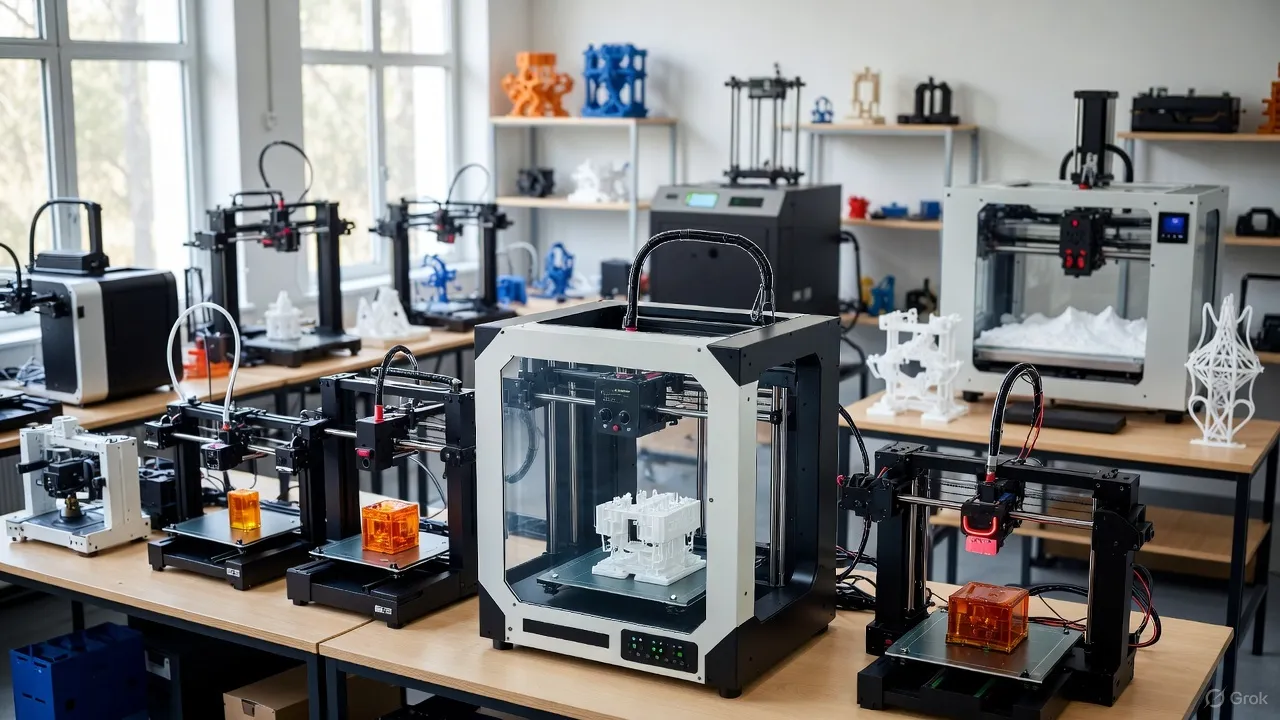
One of the biggest advancements is speed. Traditional 3D printers took hours or sometimes days to create one simple part. Today, next gen printers can build complex designs in a fraction of the time. This is a huge deal for industries that need rapid iteration, like automotive and consumer electronics. Faster printing means faster development and shorter time to market.
Another major change is the improvement in materials. Older printers mainly used basic plastics, which limited what you could build. Now the landscape is wide open with metal powders, high strength composites, ceramics, and even bio compatible materials. This gives manufacturers the freedom to create stronger, lighter, and more durable components that were not possible before. Hospitals are already using this technology to produce custom implants that fit patients perfectly.
3D printing is also becoming more precise. Newer machines can print with extremely fine detail, which is valuable in fields like aerospace and medical engineering where even tiny errors matter. The ability to produce parts with almost zero waste also helps companies reduce cost and support sustainability goals.
Construction is another space seeing surprising breakthroughs. Large scale printers can now build full walls, modular housing units, and complex architectural structures. This approach cuts labor cost, reduces material waste, and speeds up building timelines. For regions facing housing shortages, this could become a game changing solution.
AI integration is pushing things even further. AI powered design tools can generate optimized shapes that humans might never think of. When combined with 3D printing, these designs become real world parts with higher strength and lower weight. This is especially powerful for aerospace and defense, where every gram matters.
The supply chain impact is also worth noting. Instead of storing thousands of spare parts in warehouses, companies can print the parts they need on demand. This reduces inventory costs and makes the entire system more flexible. In disaster zones or remote areas, portable 3D printers can even create tools or emergency equipment on site.
Overall, 3D printing advancements are changing manufacturing from the ground up. Faster production, better materials, smart design, and on demand capabilities are helping businesses innovate at a scale that felt impossible a few years ago. As the technology grows, we are likely to see it touch almost every industry in some way. And truly, this is only the beginning.
