When Digital Peace Turns Into Chaos
It was 2:00 AM, and Sarah was scrolling through her phone. Suddenly, her screen flickered. A red skull icon appeared, followed by a chilling message: “Your life is locked. Pay $500,000 or lose everything.” In that single moment, her family’s photos, business contracts, and years of memories vanished into a digital abyss.
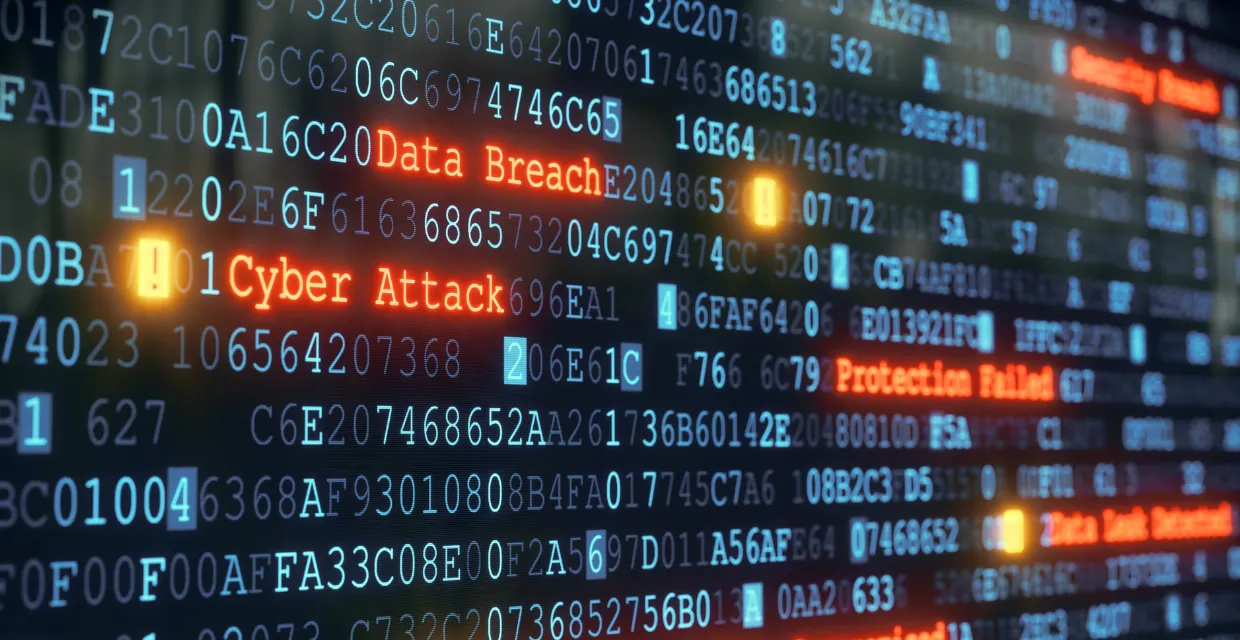
Sarah isn’t alone. Today, a cyberattack doesn’t just hit servers; it hits souls.
The Invisible War Happening Right Now
While we sleep, malware infection rates are spiking globally. Hackers are not just targeting governments; they are infiltrating healthcare systems and school networks. This is the reality of modern warfare—a war without bullets, but with devastating casualties.
We often think of data breaches as corporate problems. But when a ransomware attack hits a hospital, it means a cancer patient’s records are held hostage. This isn’t about data; it’s about operational disruption that costs lives.
Why Your Routine Life is the Prime Target
You might think you are too small to be a victim, but cybercriminals love the little guy. They rely on social engineering—tricking you, not your firewall. That suspicious email? That’s a phishing campaign.
Once a hacker gains unauthorized access through a simple click, they initiate lateral movement through your network. Suddenly, your smart fridge or home security camera (prone to IoT vulnerabilities) becomes their entry point.
The Anatomy of a Modern Digital Assault
Let’s break down how a typical network intrusion happens today:
Reconnaissance: Hackers scan your digital footprint.
Exploit Execution: They deploy zero-day exploits—flaws even the software makers don’t know about yet.
Data Exfiltration: They steal your private data before you even know they are there.
Command and Control (C2): They take over your system remotely, using it as a puppet.
The Domino Effect: Financial and Emotional Ruin
The aftermath of a security breach goes beyond fixing a computer. We are talking about financial loss that can bankrupt a small business. But the deeper wound is reputational damage.
When a company suffers a supply chain attack, it loses the trust of its customers forever. The emotional weight of knowing a stranger has access to your kids’ faces or your bank details is a heavy burden. Identity theft isn’t a technical term; it’s the violation of your personal story.
Why This Matters Right Now
We are living in a time of state-sponsored hackers and Advanced Persistent Threats (APTs). These are not teenagers in basements; they are highly funded militias. The recent waves of cross-border cyber conflict show us that no one is neutral.
To survive this, we need a shift in our cybersecurity posture. We must move from “fixing” to “anticipating.”
How to Fortify Your Digital Castle
Defense is possible, but it requires vigilance:
Adopt Zero-Trust Architecture: Trust no one, verify everything.
Enable Multi-Factor Authentication (MFA): It is the single best defense against credential stuffing.
Regular Security Patching: Don’t ignore those software updates; they are your shields against known exploits.
Invest in Endpoint Protection: Secure every device connected to your cloud computing environments.
Employee Security Awareness Training: Your staff are your first line of defense against insider threats (whether malicious or accidental).
The Silver Lining
Despite the gloom, there is hope. Incident response teams are getting smarter. Threat detection using AI is evolving. We are learning to build resilience. As we rebuild our digital defenses, we also rebuild our courage to face the chaos.
🔍 Frequently Asked Questions (FAQs)
Q1: What is the difference between a cyberattack and a data breach?
A: A cyberattack is the deliberate action (the punch), while a data breach is the result (the broken window). The attack is the method; the breach is the successful theft of data.
Q2: How can I tell if I am a victim of a cyberattack?
A: Look for signs like unusual system slowdowns, unexpected pop-ups, unauthorized password changes, or files suddenly being encrypted (ransomware). Also, be wary of privilege escalation—if your standard user account suddenly has admin rights.
Q3: Are small businesses at risk of these attacks?
A: Absolutely. Cybercriminals often view small businesses as “low-hanging fruit” because they lack the robust defenses of large corporations. They are prime targets for business continuity compromise and extortion.
💬 Final Takeaway
As Sarah eventually recovered her data (with the help of ethical hackers and a rigorous data backup and recovery plan), she realized a profound truth: technology is fragile, but the human spirit is not. The fight against cyber threats is not just about code; it’s about protecting our homes, our livelihoods, and our peace of mind.
Don’t wait for the red skull to appear. Update your passwords. Back up your files. Talk to your family about digital safety.
In a world where digital peace is fleeting, your awareness is your greatest armor. Stay safe, stay vigilant, and remember: you are not just a user; you are the guardian of your digital universe.

I am a content creator/ Digital Marketor.