Introduction: The Importance of Knowing What Surgical Techs Do
If you’ve ever visited an operating room or watched a procedure on TV, you may have seen experts working in silence next to nurses and surgeons. Often referred to as what do surgical techs do, these highly skilled individuals are surgical technologists.
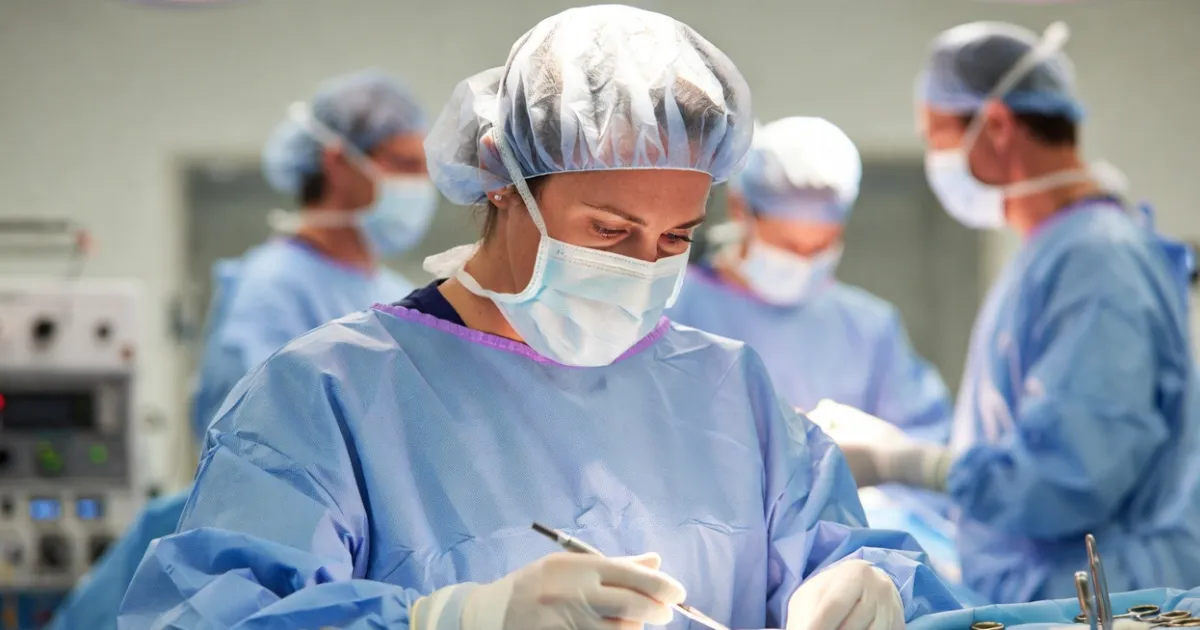
Why is the function of surgical technologists so crucial, and what do they perform?
The foundation of the operating room is made up of surgical technicians. They maintain sterile conditions, help during surgeries, set up surgical environments, and make sure surgeons have the instruments they require at the proper time. Surgery would be far less structured, slower, and dangerous without surgical technologists.
This page offers a full, beginner-friendly, and expert-level explanation of what surgical techs do, how they operate, where they work, and why demand for this profession keeps rising. This resource provides straightforward, reliable answers whether you are considering surgical technology training, investigating healthcare vocations, or are just inquisitive.
Surgical Technologist: What Is It?
A medical practitioner who has received training to support surgical procedures is known as a surgical technologist. Their main duty is to make sure the operating room is hygienic, well-organized, and productive prior to, during, and following surgery.
Although they work closely with both nurses and surgeons, surgical technologists are neither. They play a technological, practical, and crucial role in patient safety.
Typical Surgical Tech Titles
Other names for surgical technologists include:
Operating room technician
Scrub tech
Surgical technician
Similar duties centered on surgical support are involved in all of these positions.
What Are the Daily Tasks of Surgical Techs?
In order to comprehend what surgical techs do, it is necessary to divide their job into three primary stages: before surgery, during surgery, and after surgery.
Tasks Prior to Surgery
Surgical technicians set up the operating room before any surgical procedure starts.
Important preoperative duties consist of:
The operating area should be cleaned and sterilized. Surgical tools and equipment should be prepared. Sterile trays and supplies should be set up. Surgical tools should be checked for proper function. All materials should adhere to safety and sterility standards.
Helping patients go on the operation table
Assisting nurses and surgeons with their gloves and gowns
This preparedness is essential. Even minor errors might postpone surgery or raise the risk of infection.
Responsibilities During Surgery
As members of the surgical team, surgical technicians frequently stand near the surgeon during surgery.
Essential intraoperative tasks consist of:
Keeping a sterile environment at all times; passing instruments to surgeons and assistants; and anticipating the surgeon’s demands.
Holding retractors or helping with exposure; counting tools, sponges, and needles; keeping an eye on supplies and asking for replacements; and handling specimens for examination in a lab.
Throughout the surgery, a surgical tech needs to remain attentive, composed, and vigilant.
Responsibilities Following Surgery
Surgical techs continue to work after surgery is finished.
Among the postoperative duties are:
Assisting with the patient’s transport to recovery; disposing of medical waste in a safe manner; cleaning and replenishing the operating area; sterilizing instruments for future use; recording equipment usage; and double-checking that nothing is missing.
As a result of their efforts, the operating room is prepared for the next patient.
Where Are Surgical Techs Employed?
Surgical technicians operate in a range of healthcare environments.
Typical Workplaces
Medical facilities, including hospitals, outpatient surgery centers, specialized surgical clinics, dental surgical offices, government and military establishments, and emergency trauma centers
While some surgical technicians specialize in particular procedures, the majority work in operating rooms.
Surgical Technologist Types
Not every surgical tech does the same tasks. Specialization can result from training and experience.
Surgical Technologist Scrub
Handles surgical tools, works directly at the operating table, and maintains a sterile environment.
Surgical Technologist on the Move
Records procedures
Gets extra supplies
Oversees the operation room outside the sterile field
Helps with patient safety inspections
Surgical Technologist First Assistant
Possesses extensive training
Provides more direct surgical assistance
Has the ability to suture, control bleeding, or seal incisions
Competencies Needed for Surgical Technicians
Comprehending what surgical techs do also entails comprehending the abilities they use on a daily basis.
Technical Proficiency
Understanding of surgical tools
Sterilization techniques
Medical terminology and anatomy
Operating room procedures
Soft Skills
Focus on details
Capacity to remain composed under pressure
Effective communication
Cooperation and teamwork
Physical endurance
Surgical technicians must maintain concentration during intricate procedures and frequently stand for extended amounts of time.
Needs for Education and Training
How Much Time Is Needed to Become a Surgical Tech?
The majority of surgical technologists finish their formal education by:
9–12-month certificate programs
Programs for associate degrees (18–24 months)
Programs integrate practical clinical training with classroom teaching.
Typical Coursework
Human anatomy; surgical techniques; medical ethics; infection prevention; and patient safety.
Licensing and Certification
Many jobs want or need certification, while local standards differ.
Typical Certifications
TS-C (Trained in Surgery)
Certified Surgical Technologist (CST)
Being certified shows proficiency, professionalism, and a dedication to patient safety.
Table of Comparisons: Surgical Tech Duties against Other OR Positions
| Feature | Surgical Tech | Registered Nurse (OR) | Surgeon |
|---|---|---|---|
| Primary Focus | Surgical support | Patient care & coordination | Performing surgery |
| Sterile Field | Maintains | Oversees | Works within |
| Instrument Handling | Yes | Limited | Yes |
| Patient Diagnosis | No | No | Yes |
| Education Length | 1–2 years | 2–4 years | 8–12 years |
| Hands-On Role | High | Moderate | Very high |
Advantage: This comparison clarifies the precise role that surgical technicians play in the surgical team.
A Normal Surgical Technician’s Day
Depending on the facility and procedures, a surgical tech’s day may differ.
Daily Schedule Example
Examine the surgical schedule
Get surgical rooms ready
Help with several procedures
Stock up on supplies
Reset and clean the rooms
Record processes
Every day is different from every other day.
Industry Trends and Statistics
The following data about surgical technologists are safe, non-controversial:
More than 70% of surgical techs are employed by hospitals; surgical technology programs have expanded steadily over the past ten years; outpatient surgery centers now employ a growing percentage of the workforce; many surgical techs assist with three to six procedures per shift; and the demand for surgical techs is still rising in tandem with the global increase in surgical procedures.
These patterns demonstrate the continued importance of knowing what surgical technologists do.
Benefits and Drawbacks of Surgical Technology
Advantages
High employment security; a shorter educational path than many healthcare positions; meaningful, hands-on work; specialization opportunities; and a fast-paced, stimulating atmosphere.
Drawbacks
Long hours and standing; exposure to stressful events; physical challenges; irregular scheduling; and the need for meticulous attention to detail.
This fair assessment aids readers in determining whether the position aligns with their objectives.
Typical Obstacles Surgical Techs Face
Keeping concentration throughout lengthy surgeries; controlling anxiety during emergency procedures; following stringent sterility guidelines; managing physically taxing jobs; and working on the weekends, holidays, or at night.
Surgical technologists can efficiently handle these difficulties with the right training.
Popular FAQs Regarding the Work of Surgical Techs
To put it simply, what do surgical technologists do?
Surgical techs keep things hygienic and orderly, set up operating rooms, and help surgeons during surgeries.
Do surgical techs have direct patient contact?
Surgical techs do not diagnose or treat patients, but they do assist with patient positioning and support both before and after surgery.
Is a career in surgical technology a suitable fit?
Surgical technology can be a fulfilling job for those who value teamwork and practical medical practice.
How demanding is working as a surgical tech?
Although stress levels fluctuate, the position necessitates concentration, composure, and meticulousness throughout operations.
Which abilities are most crucial for surgical technicians?
Technical expertise, communication skills, attention to detail, and the capacity to function well under duress.
Is certification required for surgical techs?
Although local standards differ, many businesses favor qualified surgical technologists.
What is the duration required to become a surgical technician?
The majority of programs take nine months to two years to finish.
Can surgical techs advance their careers?
Yes, surgical techs can specialize in advanced procedures, work as first assistants, or teach.
What errors do novice surgical technicians make?
Poor instrument organization, sluggish anticipation, and trouble maintaining sterile fields are common errors.
Are employment for surgical techs in high demand?
Yes, as more surgeries are performed, the number of surgical tech positions keeps increasing.
Top Advice for Future Surgical Technologists
Select a recognized training program; regularly practice sterile procedures; learn the names of instruments early; cultivate effective communication skills; remain composed under pressure; and look for mentorship during clinical training.
These pointers increase confidence and preparedness.
Conclusion: The Significance of Surgical Techs Today
So, what are the duties of surgical techs?
They maintain sterile conditions, set up operating rooms, assist surgeons during surgeries, and guarantee patient safety throughout the entire surgical process. Surgical technicians, who combine technical proficiency with composed professionalism, are vital members of the healthcare team.
Without spending ten years in school, this vocation offers meaningful employment, consistent demand, and the chance to truly make an impact. Surgical technology is still a wise and fulfilling career choice for people who want to work in direct healthcare.
You can learn more about one of the most important yet frequently disregarded roles in contemporary medicine by learning about what surgical technologists do.

I am a content creator/ Digital Marketor.