A laptop used to be just a machine you opened.
Now, Google wants it to feel like something that understands you.
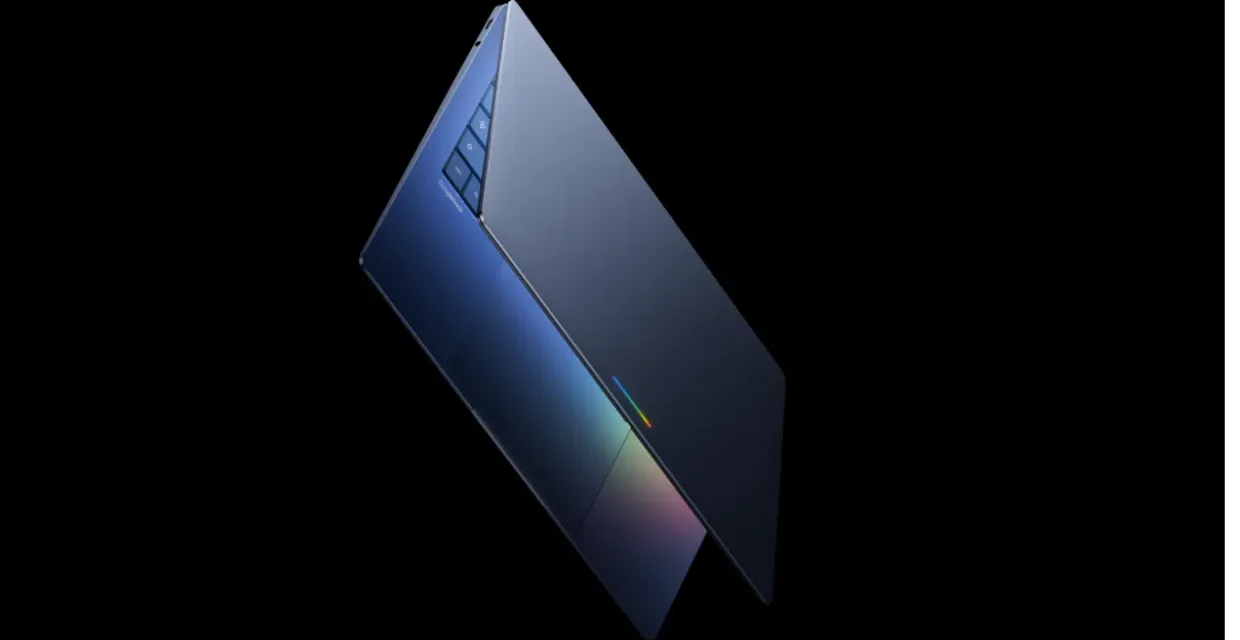
The newly revealed Googlebook is not just another Chromebook refresh. It is being positioned as a fresh category of AI-powered laptops built around Gemini Intelligence, Android apps, and a deeper connection to your phone and digital life. Google says the device category brings together Android, Google Play apps, ChromeOS strengths, and AI-first experiences, with more details expected later this year.
For anyone watching the future of personal computing, this feels like more than a product launch. It feels like Google is trying to rewrite the emotional relationship people have with laptops.
What Is Googlebook?
Googlebook is Google’s new laptop platform designed around AI from the start.
Instead of treating artificial intelligence as an add-on, Google is putting Gemini at the center of the experience. That means the laptop is expected to help users write, search, organize, summarize, switch tasks, and stay connected across devices more naturally.
According to Google’s announcement, Googlebook is designed to work seamlessly with Android phones and will be powered by premium hardware. The company described it as a new category rather than simply another Chromebook.
That distinction matters.
Chromebooks became popular because they were simple, affordable, and cloud-friendly. Googlebook appears to be aiming higher: more powerful, more personal, and more deeply tied to AI.
Why Googlebook Feels Different
It Could Make Laptops Feel More Personal
For years, laptops have asked users to adapt to them.
You open apps. You search folders. You copy text between windows. You manage tabs. You remember where everything is.
Googlebook suggests a different direction: a laptop that adapts to the user.
Reports describe features such as deeper Android phone syncing, desktop-grade Android apps, and AI-driven interaction tools designed to make work feel more fluid.
That could be powerful for students, creators, remote workers, and everyday users who feel overwhelmed by digital clutter.
The emotional promise is simple: less friction, more flow.
The Bigger Battle: AI Laptops Are Getting Personal
Googlebook arrives at a time when every major tech company is trying to define the AI computer era.
Microsoft has pushed Copilot+ PCs. Apple is building Apple Intelligence across its ecosystem. Google, meanwhile, already owns Android, Chrome, Search, Gmail, Docs, and Gemini.
That gives Google a unique advantage.
If Googlebook connects all of those pieces smoothly, it could become more than a laptop. It could become a daily command center for people who already live inside Google’s ecosystem.
The question is whether Google can make that power feel trustworthy, not intrusive.
Why This Matters Now
The timing is important.
People are tired of devices that feel faster but not smarter. They do not just want more specs. They want technology that saves time, reduces stress, and helps them think.
That is where Googlebook could strike an emotional chord.
A student might use it to summarize research.
A writer might use it to shape ideas.
A parent might use it to manage work, school, and life in one place.
A small business owner might use it to move from email to invoice to video call without losing focus.
This is the real story behind Googlebook: not the hardware, but the possibility of a calmer digital life.
The Trust Question Google Must Answer
AI Convenience Comes With Responsibility
Googlebook’s biggest strength could also become its biggest challenge.
An AI-first laptop needs access to context. It may understand your apps, your searches, your messages, your documents, and your habits. That can make computing easier, but it also raises serious questions about privacy, control, and transparency.
Google will need to explain clearly what data is used, what stays private, and how users can turn features off.
The future of AI laptops will not be won by intelligence alone. It will be won by trust.
Could Googlebook Replace Chromebooks?
Not immediately.
Google says Chromebooks will continue to be supported, while Googlebook appears aimed at a more premium, AI-driven category.
That means Chromebooks may remain the simple, affordable choice, while Googlebook becomes the more ambitious option for users who want Android apps, Gemini AI, and deeper device integration.
In other words, Google may not be replacing the Chromebook story. It may be writing the next chapter.
Final Takeaway
Googlebook matters because it reflects a bigger shift in technology.
The next great laptop may not be the one with the sharpest screen or the thinnest body. It may be the one that understands what you are trying to do before you lose momentum.
If Google gets it right, Googlebook could make computers feel less like tools we fight with and more like companions that quietly help us move forward.
And in a world overflowing with noise, that kind of technology might be exactly what people are ready to discover.

I am a content creator/ Digital Marketor.